benvenuto a
Agricoltura moderna
!

La maggior parte di noi mastica continuamente fiori senza rendersene conto. Broccoli, cavolfiori e carciofi sono tutti fiori, o boccioli di fiori.
Chiaramente, la parte della pianta che spesso consideriamo preziosa solo per il suo aspetto può essere anche incredibilmente gustosa.
Ecco perché non dovresti cancellare le tue piante più ornamentali. Un numero scioccante di loro è molto più che semplici facce carine.
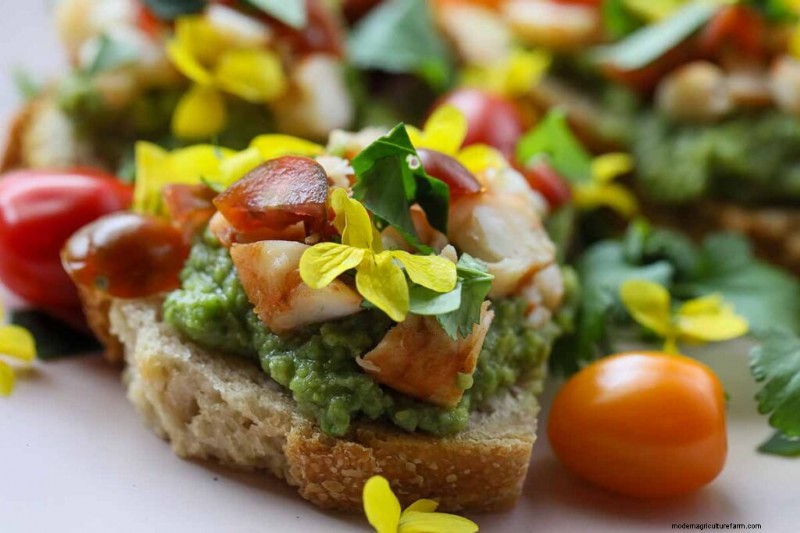 Foto di Kristine Lofgren.
 Ci colleghiamo ai fornitori per aiutarti a trovare prodotti pertinenti. Se acquisti da uno dei nostri link, potremmo guadagnare una commissione .
Le begonie hanno un fresco sapore di agrumi e i garofani sono dolci come non mai. I daylilies sanno di piselli e miele, mentre le gardenie sono troppo deliziose per essere sprecate in bouquet.
Nel corso della storia, mangiare alcune specie di fiori è diventato di moda e passato di moda.
Alcune piante che oggi utilizziamo per abbellire i nostri giardini erano più apprezzate come commestibili. E non stiamo parlando solo delle violette candite su un cupcake.
I fiori possono essere utilizzati in qualsiasi piatto tu possa immaginare.
Sia che tu voglia che le tue piante facciano il doppio lavoro o desideri qualcosa di nuovo da mettere nel piatto, questa guida ti presenterà decine di fiori che non solo puoi mangiare, ma molti che sono così gustosi che potresti ritrovarti a piantarli accanto alle verdure invece che nelle aiuole ornamentali.
Ecco le varietà di cui parleremo:
La maggior parte dei fiori delle erbe aromatiche sono commestibili:il dragone , timo , origano , saggio e simili, ma a meno che non siano particolarmente unici o abbiano un sapore distinto da quello delle foglie, li abbiamo esclusi dall'elenco.
Sentiti libero di mangiarli ogni volta che sono presenti:la maggior parte di loro avrà un sapore abbastanza simile alle foglie.
Lo stesso vale per le piante della famiglia delle Brassicaceae. Le senapi, in particolare, producono gustose pepite di fiori.
Inoltre, dovresti evitare di lavare i fiori finché non sei pronto per mangiarli, se non diversamente specificato. Praticamente tutti i tipi di fiori dovrebbero essere consumati freschi.
Se li usate in piatti caldi, aspettate ad aggiungerli fino a fine cottura, o poco prima di servire. Ti faremo sapere quando questo non è il caso.
Se raccogli dal giardino o raccogli, assicurati che i fiori che raccogli non siano stati spruzzati con sostanze chimiche di recente.
Oppure, se decidi di correre in un vivaio per ritirare una confezione da sei di piante da utilizzare a una cena, fallo in anticipo in modo da poter morti i fiori esistenti e lascia che ne crescano di nuovi che puoi cogliere e servire in tutta sicurezza.
Tieni presente che alcune persone scoprono di avere un'allergia di cui non erano a conoscenza quando provano nuovi cibi.
Ad esempio, il consumo di daylilies può causare una reazione allergica in alcune persone. Prova un piccolo boccone di qualsiasi nuova specie che provi e poi attendi qualche ora prima di tuffarti a capofitto.
Probabilmente hai visto fiori di acacia (Acacia dealbata , noto anche come albero di mimosa) appesi in mazzetti agli alberi o in mazzi da fiorista.
Ovunque tu abbia notato i caratteristici fiori pelosi, probabilmente non avresti immaginato di metterteli in bocca.
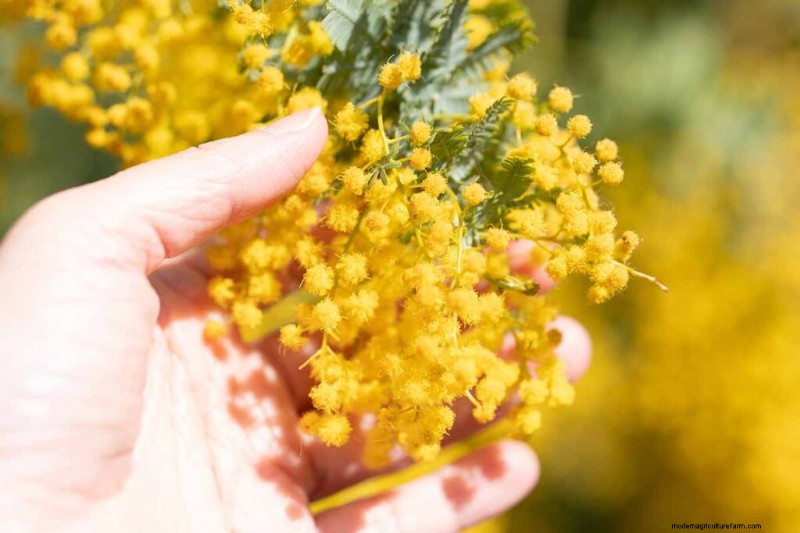
Dovresti, però. Thomas Jefferson una volta disse che la mimosa era "l'arbusto da fiore più delizioso del mondo" e l'unica pianta, oltre all'arancia, che si prendeva la briga di coltivare nella sua serra.
Ha un sapore dolce, floreale e mielato e resiste alla cottura.
In effetti, è così che la maggior parte delle persone li usa, dal momento che le parti sfocate possono essere un po' strane da masticare.
Mi piacciono tagliati o schiacciati per ridurre la pelosità, ma penso che il sapore sia migliore crudo.
A proposito, non mangiare quelli che trovi in un'esposizione di fiori, a meno che tu non sia assolutamente sicuro al 100% che siano Acacia dealbata .
Altri membri di questo genere possono essere tossici. Dovresti anche assicurarti che i fiori non siano stati spruzzati con sostanze chimiche.
In altre parole, probabilmente è meglio attenersi a quelli staccati da un albero che puoi identificare con certezza.
Tutto fiorisce nell'Allium genere sono commestibili, ma non tutti hanno un ottimo sapore.
Quando si tratta di scegliere un fiore con un pizzico di aglio o cipolla senza troppa amarezza, puntate sull'erba cipollina e porri .
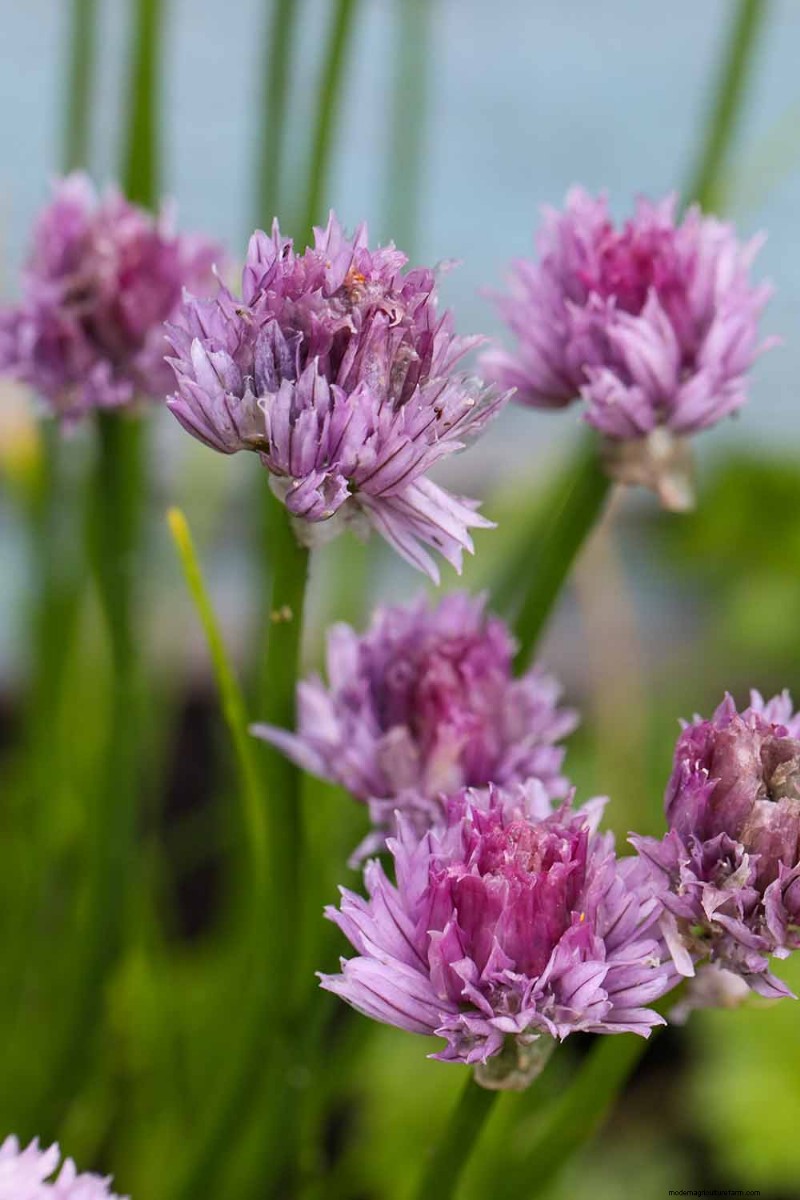 Foto di Kristine Lofgren.
 Aglio , cipolla e allium ornamentale i fiori possono essere una bella aggiunta a un piatto, ma tendono ad essere un po' amari o duri. Non tutti, però, lo sono, quindi sperimenta!
Usa questi tesori viola, rosa o bianchi per guarnire la ricotta, le salse a base di panna acida, sulla zuppa, nel riso, nelle omelette o su un sandwich ai gamberetti, ovunque tu voglia solo un pizzico di sapore di cipolla.
I fiori dell'anice issopo (Agastache foeniculum ) hanno un sapore molto simile alle foglie, con un sapore dolce, simile alla liquirizia, con solo un pizzico di floreale.
Ovunque utilizzi le foglie delle erbe, puoi sostituire i fiori oppure puoi aggiungerle su insalate, zuppe, pasta o piatti di riso.
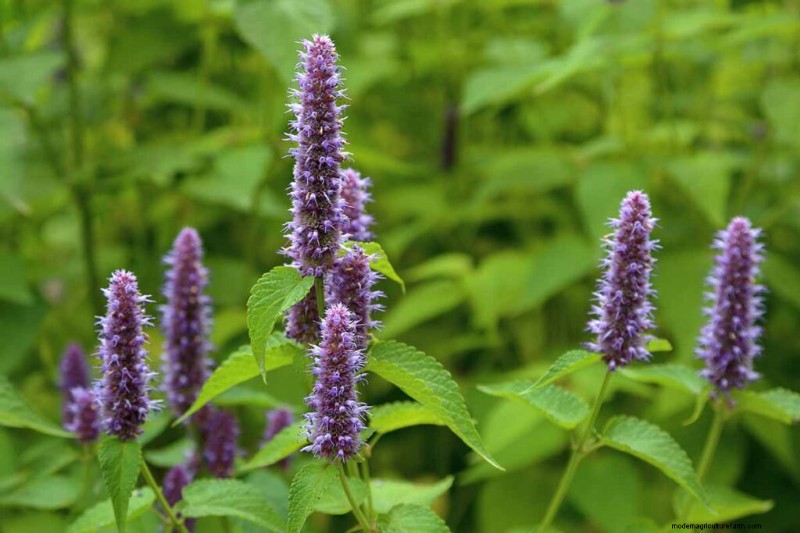
Se non sai come usarli esattamente, pensa a come utilizzeresti il rosmarino o menta.
Agnello, manzo, pollo, insalata, zuppe, pasta, riso:basta nominarlo e probabilmente riuscirai a trovare un modo per metterci dentro l'anice e l'issopo.
Anche se puoi mangiare l'intero capolino se lo tagli finemente, è meglio staccare i singoli fiori dal capolino peloso prima di mangiarli.
Scopri come coltivare i fiori di anice e issopo nella nostra guida.
Per un tocco di cetriolo e tanto colore, aggiungi i bottoni da scapolo (Centaurea cyanus ) alla tua insalata o come guarnizione per un dessert.
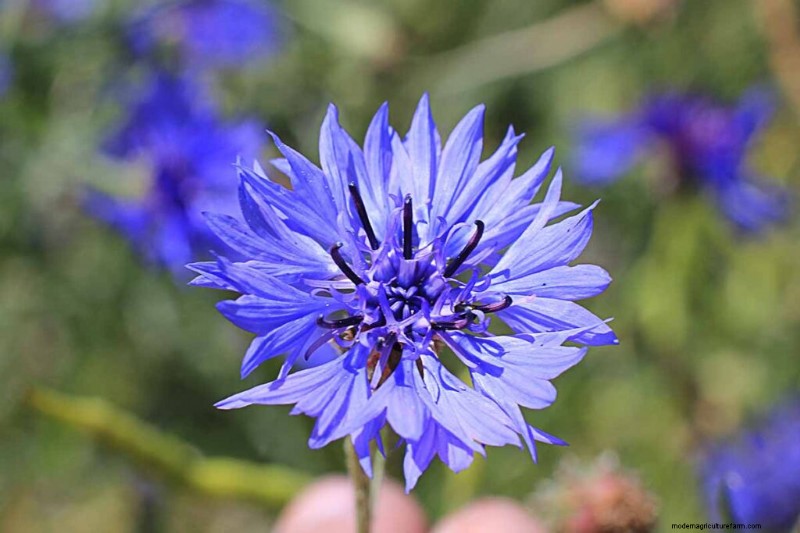
Il blu cobalto dei fiordalisi li rende suggestivi sia in giardino che in cucina.
Mettili sopra un piatto di pasta per stupire i tuoi ospiti o cuocili in torte e biscotti per un tocco di colore naturale.
Il sapore ha una dolcezza speziata che funziona bene sia nei dessert che nei piatti salati.
Dai un'occhiata alla nostra guida per far crescere i bottoni da scapolo per aggiungere questi fiori al tuo giardino.
Bergamotto selvatico (Monarda didyma ) noto anche come balsamo d'api, ha un sapore di menta, leggermente dolce, simile all'origano. In cucina, il colore vibrante risalta tanto quanto il sapore.
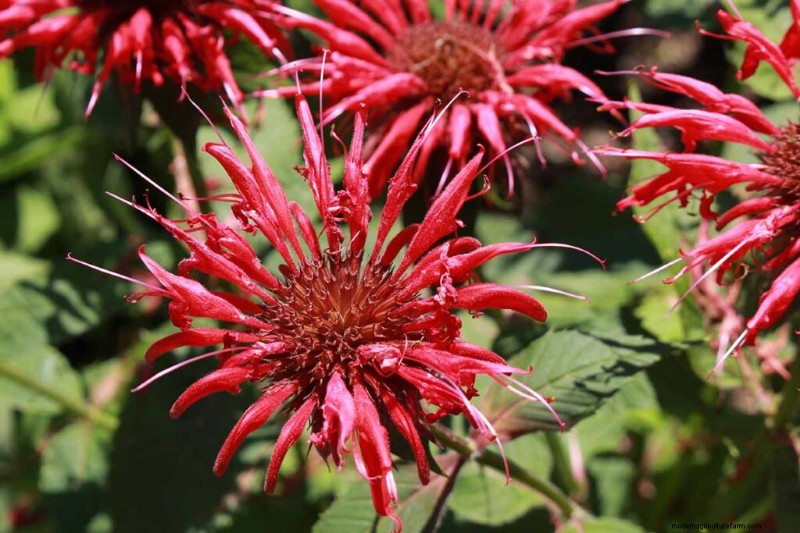
Assicurati solo di strappare i petali dal calice. Puoi mangiare il calice se lo cucini e lo tagli finemente, ma se vuoi qualcosa di simile alle erbe, mantieni i petali.
Il balsamo d'api è un'ottima aggiunta alla salsa, insieme a un acido come il succo di lime, erbe fresche come coriandolo o prezzemolo e pomodori, ma è eccellente anche nel tè, nel pane, nella marmellata, nei biscotti e nei cocktail.
Scopri come coltivare il balsamo per le api nella nostra guida .
Nei luoghi ombreggiati di tutto il mondo puoi trovare diversi membri della Begonia genere in fiore.
Ma anche se sono favolosi per ravvivare una zona buia, molte persone non si rendono conto che sono anche ingredienti da cucina versatili.
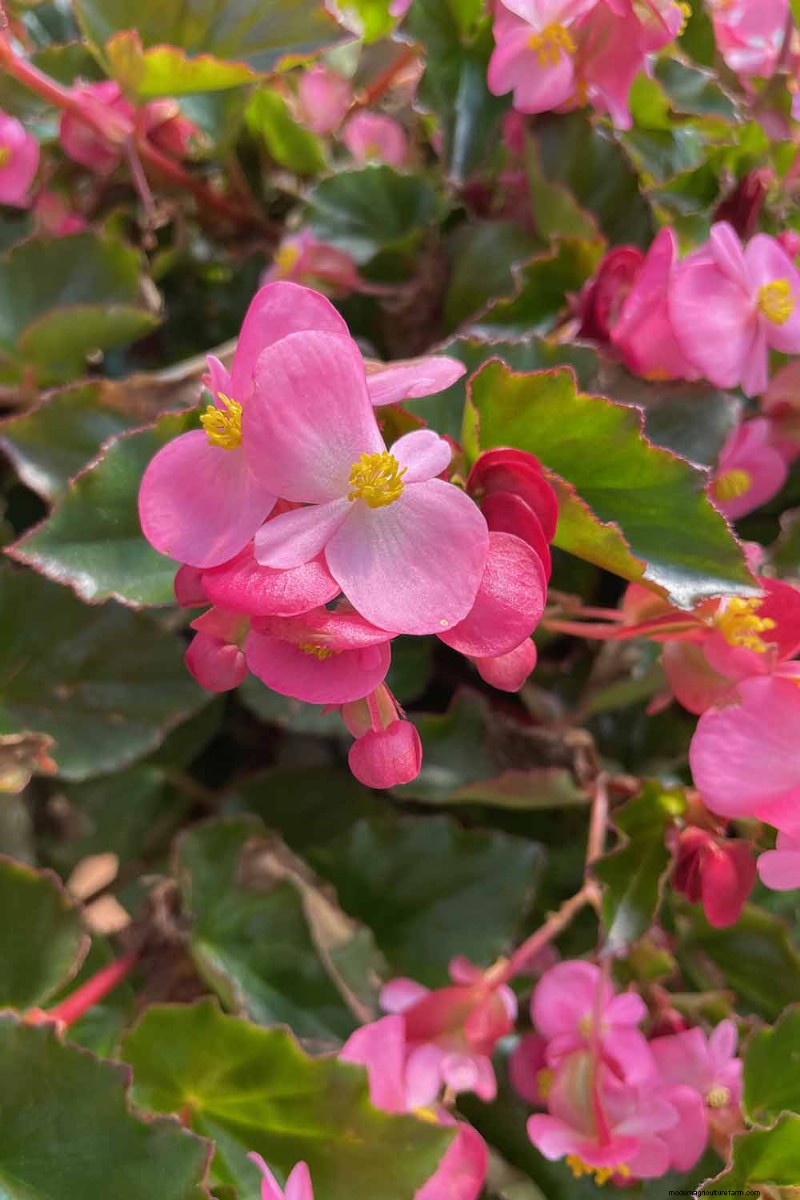 Foto di Kristine Lofgren.
 Tutte le begonie sono commestibili, ma la cera (B. x semperflorens ) e begonie tuberose (B. x tuberhybrida ) sono i più gustosi.
I succulenti petali hanno una croccantezza simile al cetriolo e un leggero sapore di agrumi, che li rende deliziosi nelle insalate di verdure e di pesce. Provateli tagliati nella panzanella e ne sarete convinti.
Non hai una ricetta da seguire? inizia con questa panzanella al ravanello dal nostro sito gemello, Foodal .
Le bacche sono un'ottima scelta se cerchi fiori commestibili.
Tutti i Rubus e Ribes specie, così come le fragole (Fragaria spp. ), mirtilli (Vaccino spp.) e gelsi (Morus alba ) hanno fiori commestibili.
Lamponi , more , ribes nero, uva spina – valgono tutti un assaggio!
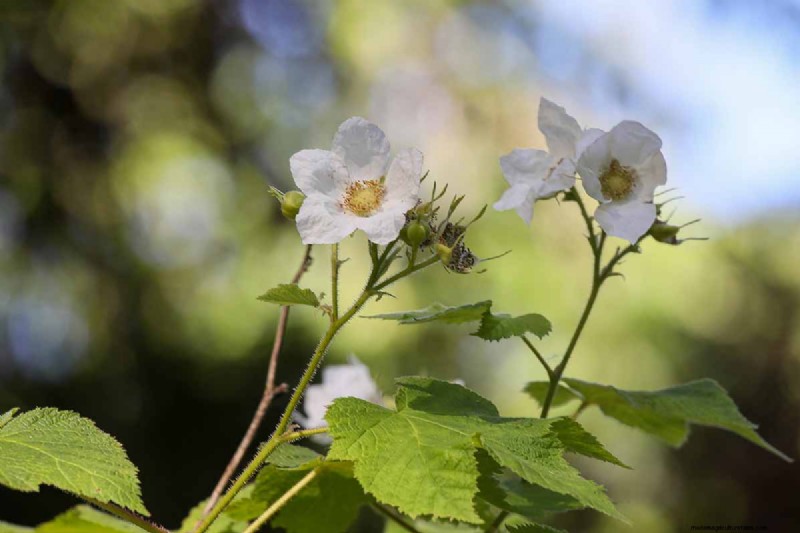 Un fiore di salmone, Rubus spectabilis . Foto di Kristine Lofgren.
 Ricorda che se strappi i fiori non si formerà un frutto in quel punto.
I fiori semplici sono gustosi, ma niente in confronto ai frutti stessi, quindi bilancia la tua fame di fiori con la tua fame di frutti e non scegliere troppo!
D'altro canto, se il tuo giardino è invaso dai rovi , hai tantissime prelibatezze floreali che aspettano solo di essere raccolte.
Borragine (Borago officinalis ) non richiede praticamente alcuno sforzo per crescere e i fiori blu celestiali a forma di stella sono tanto gustosi quanto belli.
Con un sapore che ricorda il cetriolo dolce, aggiungono un tocco speciale a insalate, zuppe, piatti di pesce o bevande.
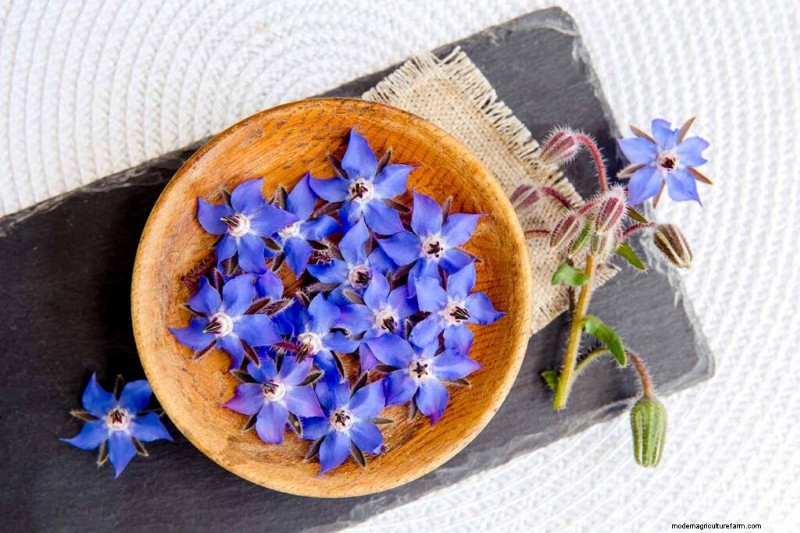
Conditeli con pomodori e cetrioli in una vinaigrette o usateli come guarnizione nella limonata per una sorpresa estiva.
La borragine è uno dei migliori fiori culinari ed è uno dei pochi fiori blu, per giunta.
Se non li usi tutti subito dopo averli raccolti, avvolgili in un tovagliolo di carta umido e mettili nel frigorifero.
Scopri come piantare e coltivare la borragine qui .
Con i suoi fitti rampicanti e i fiori vivaci, la bouganville (Bougainvillea spp.) si è guadagnato un posto come fiore all'occhiello in molti giardini.
I cosiddetti “fiori” sono in realtà brattee, foglie modificate e colorate. Questa è la parte commestibile. Getta via i fiori piccoli e stretti attaccati al centro di ciascuna brattea.
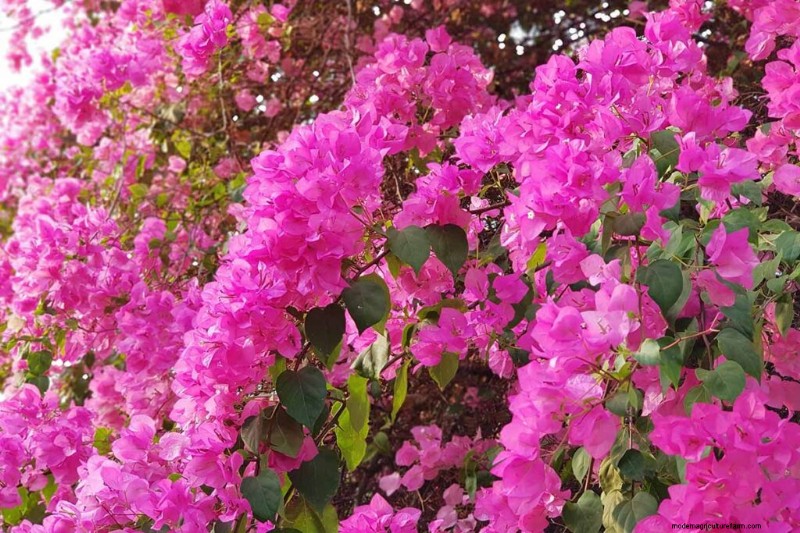
È meglio utilizzare le brattee fresche, anche se puoi anche metterle in infusione nel tè, ma non lasciarle nell'acqua calda per più di cinque minuti circa.
Perdono il loro sapore dolce e iniziano a diventare estremamente amari.
Un'agua fresca fatta in casa con acqua fredda, succo di lime, zucchero e brattee di bouganville è particolarmente gustosa.
Scopri di più sulla coltivazione della bouganville con la nostra guida .
Calendula (Calendula spp.) i fiori sono ben noti per i loro usi ornamentali e medicinali e abbiamo anche una guida che ti guida attraverso il loro utilizzo per scopi medicinali .
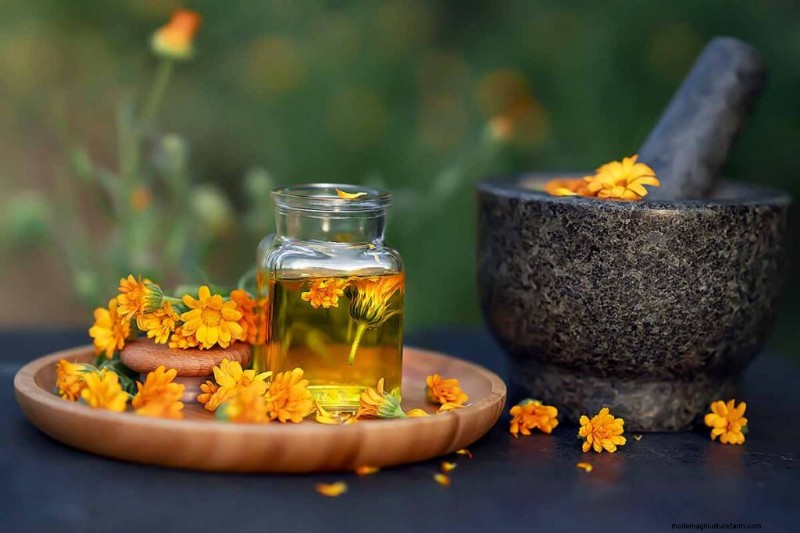
Noto anche come calendule, come altri tipi di calendule (Tagetes spp.), puoi usarli per colorare i piatti come faresti con lo zafferano, con una bella tonalità aranciata.
Questi fiori però non hanno il sapore distinto dello zafferano.
Usa la calendula per infondere oli e burro o in piatti di pesce come insalate e paella. Oppure cuocilo in una porzione di pasta frolla o focaccine impreziosite dai fiori.
Puoi imparare come coltivare la calendula nella nostra guida .
Camelie (Camelia spp.) sono vistosi e dolci, il che li rende ideali come guarnizione per dolci o macedonie.
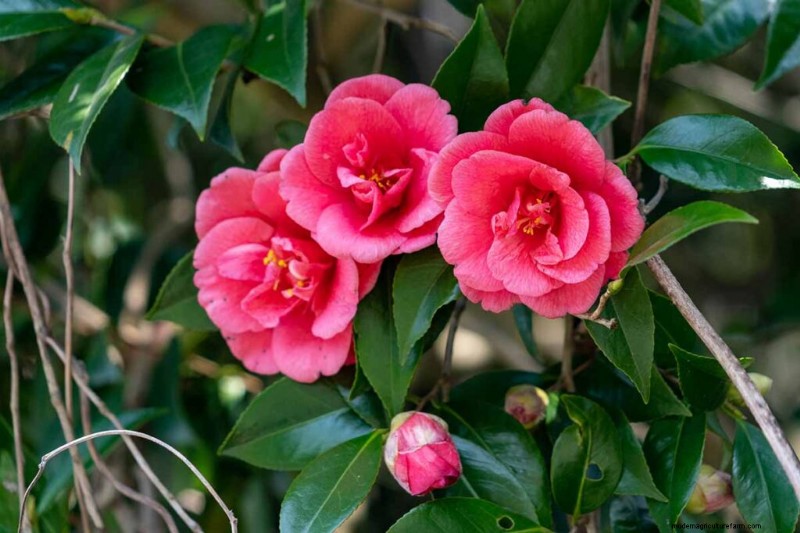
Puoi anche candire i petali per metterli su torte, biscotti, pasticcini e altri dolciumi. Puoi imparare a preparare fiori canditi sul nostro sito gemello, Foodal .
Scopri come coltivare i fiori di camelia nella nostra guida .
Qui ci godiamo il nostro piccolo garofano di buona guarigione (Dianthus caryophyllus ) mazzi di fiori per poi gettarli nella spazzatura, quando avremmo potuto mangiarli già dall'inizio.
Beh, forse no se il bouquet proviene dal negozio di alimentari o dal fioraio e non possiamo sapere con certezza se i fiori sono stati trattati con sostanze chimiche. Ma capisci il sentimento.
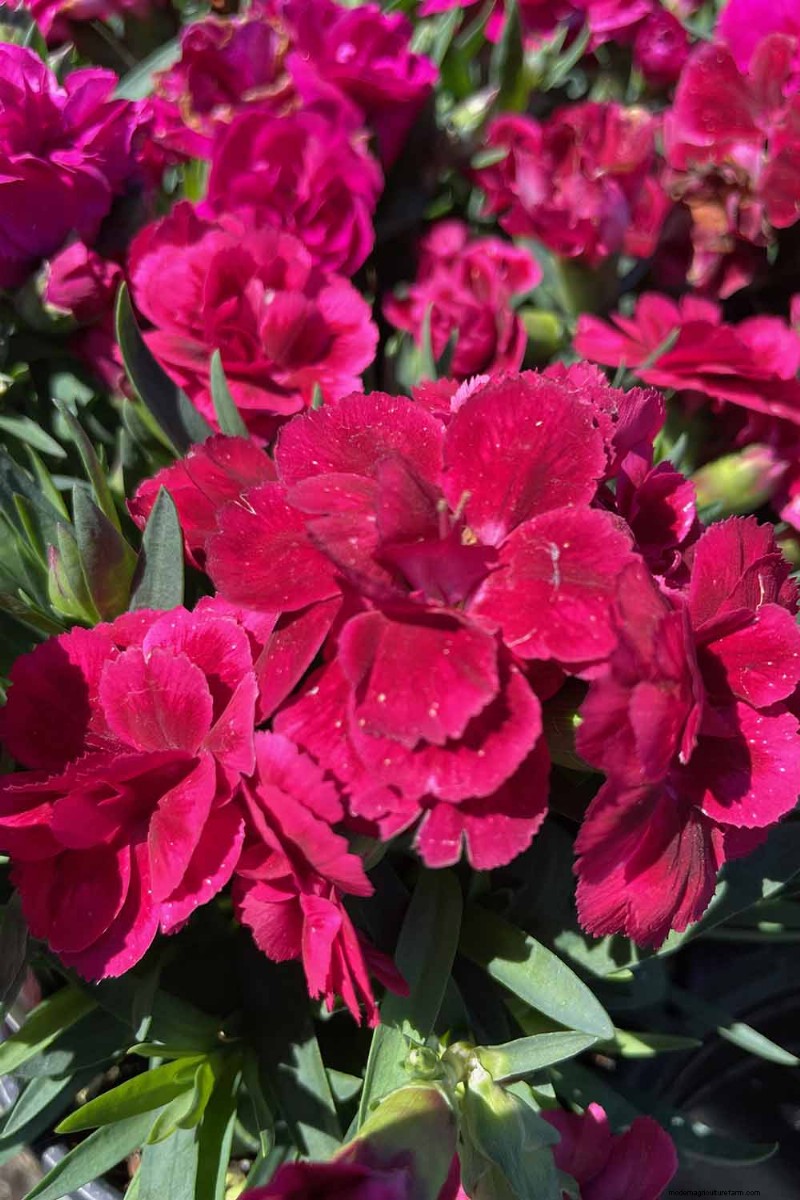 Foto di Kristine Lofgren.
 Forse sapere che sono commestibili aiuterà a renderli più popolari nei giardini, dal momento che i garofani sembrano passare costantemente di moda.
Anche se puoi sicuramente mangiare quelli che compri dal fioraio, se sai che sono stati allevati e sistemati senza essere spruzzati con sostanze chimiche potenzialmente tossiche, è meglio coltivarli in giardino.
In questo modo saranno più teneri e saporiti e non dovrai preoccuparti di eventuali additivi non commestibili.
I garofani sono estremamente dolci e leggermente floreali. Per questo motivo vengono effettivamente utilizzati come ingrediente nel liquore chartreuse.
Si consiglia di tagliare via i talloni per eliminare qualsiasi amarezza, ma anche se non lo fai, questi fiori saranno comunque dolci.
I petali sono fantastici nella marmellata di fragole, nelle crostate e nelle insalate, come guarnizione per i dolci, marinati nell'aceto di mele con cannella o canditi. Prova ad aggiungerli anche alle frittelle o alle crepes.
Trova suggerimenti su come coltivare e prendersi cura dei fiori di garofano qui .
Se hai bevuto la camomilla, allora sai che sapore ha questo fiore.
Ma Matricaria chamomilla e Chamaemelum nobile hanno un sapore simile alla mela che si presta a molto di più che alle bevande calde.
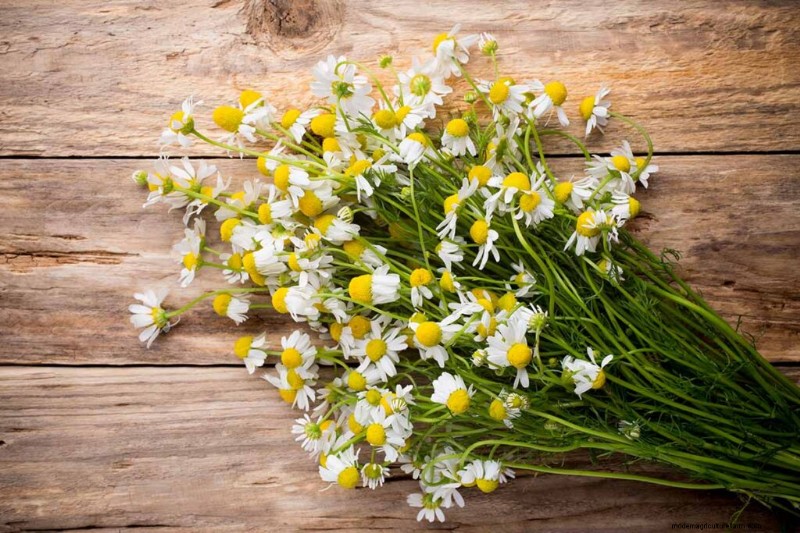
Immergi le teste a forma di margherita nella zuppa di miso, nella farina d'avena, nei cereali, nelle insalate, nei cocktail o nella pastella di biscotti.
Hanno anche un sapore fantastico in cibi più dolci come marmellata, gelato, caramelle o torte. Ovunque un piccolo accenno di mela sarebbe carino è una buona opzione.
Consulta la nostra guida per imparare a coltivare la camomilla .
Cicoria (Chicorum intybus ) i fiori si aprono per un giorno e poi spariscono, il che penso li renda un po' speciali.
E la loro vibrante tonalità blu-viola li rende ancora più benvenuti nel giardino e nei nostri menu.
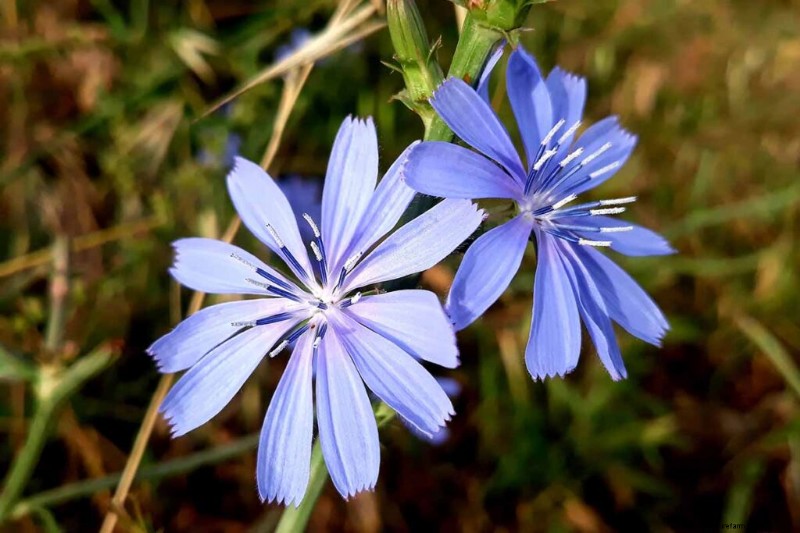
Questo parente selvatico del radicchio condivide l'amarezza di suo cugino, quindi usa questi fiori con parsimonia. Basta un piccolo accenno in un'insalata o in un piatto vegetariano.
La nostra guida alla coltivazione della cicoria fornisce istruzioni per la coltivazione.
Innegabilmente eleganti, i crisantemi (Chrysanthemum spp.) sono bellezze classiche.
Metti qualche mamma nella finestra della tua cucina e avrai una scorta costante di petali colorati per aggiungere qualcosa di speciale alla tua cucina.
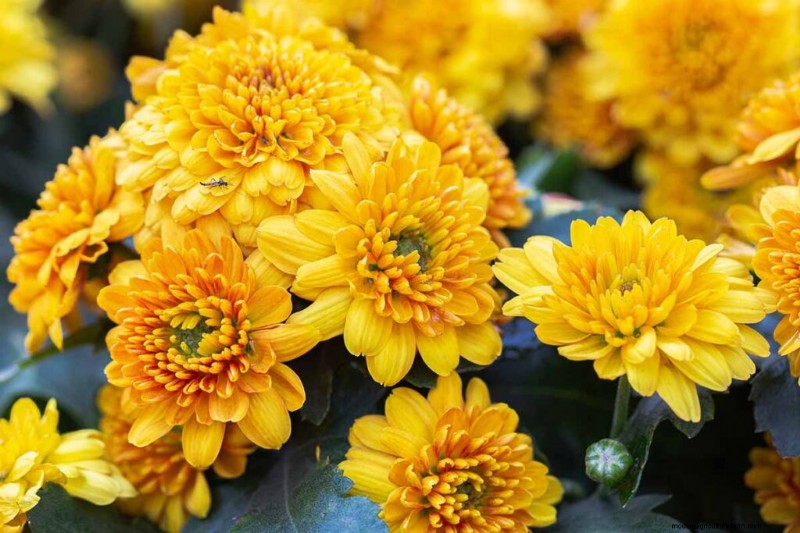
Risciacqua accuratamente i petali prima dell'uso, soprattutto se le tue mamme coltivavano all'aperto.
Gli insetti possono nascondersi facilmente in tutti quegli angoli e fessure. A me piace immergere il mio per qualche minuto in acqua fredda per scacciare eventuali autostoppisti. Lasciarli asciugare su un asciugamano prima dell'uso.
Successivamente, è il momento di rimuovere i talloni per ridurre l'amarezza. Afferrare il gambo della pianta ed estrarre i petali con la punta delle dita.
Taglia le parti bianche con le cesoie mentre le tieni ancora in mano. Metti i petali preparati in una ciotola e ripeti.
Aggiungi i petali di mamma a piatti di pesce, zuppe e zuppe, insalate, fritture, piatti a base di uova, patate e panini.
Sbollentarli o immergerli in acqua salata per 15 minuti conferisce ai petali un sapore più delicato se li trovi troppo forti.
Scopri di più sulla coltivazione dei crisantemi qui .
Non importa se hai alberi di limone, lime, arancia, pompelmo o kumquat, i fiori di tutti gli agrumi genere gli alberi sono ugualmente commestibili e hanno tutti lo stesso sapore.
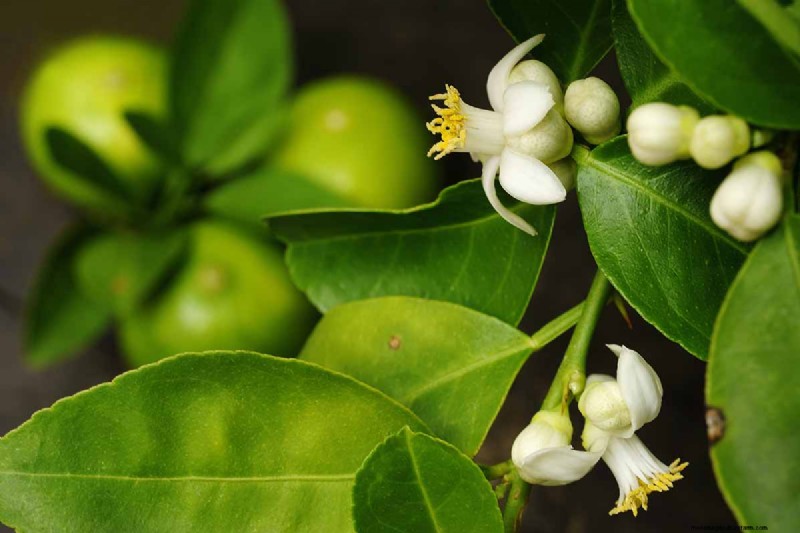
Aggiungili a cocktail, dessert, insalate dolci, piatti di granchio, zuppe fredde, piatti di pesce o pollo, soufflé o gelati.
Se non hai mangiato l’insalata di granchio con fiori di agrumi non hai vissuto! In realtà, tutto ciò che ha un buon sapore con un po' di sapore di agrumi può essere altrettanto buono con qualche fiore delicato.
Le api li adorano, ma alcuni giardinieri temono la vista di un pezzo di trifoglio (Trifolium spp.) nel cortile. Qualunque sia il tuo stato d'animo, i graziosi fiorellini valgono uno sgranocchiare.
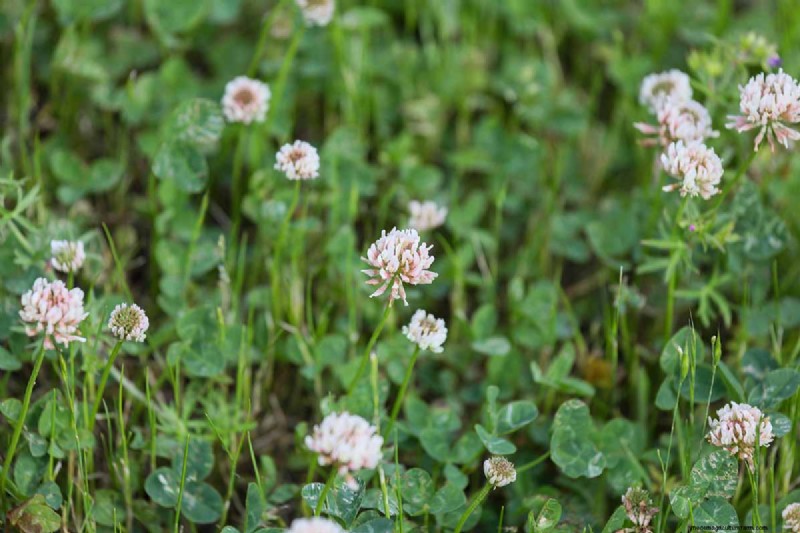 Foto di Kristine Lofgren.
 Un assaggio e immagino che ti innamorerai. Questo perché hanno un sapore dolce, simile al miele, di cui molti bambini approfittano quando colgono un fiore e ne succhiano il nettare.
Puoi asciugare i fiori dopo averli lavati come faresti con qualsiasi erba. Così potrai goderteli per tutto l'inverno.
Basta non raccogliere e utilizzare fiori che stanno già diventando marroni . Non sono molto appetibili.
I trifogli sono deliziosi nel tè, sulle uova, nel burro, cotti nel pane o nelle insalate.
Echinacea (Echinacea spp.) sono tesori del Nord America.
Sono meraviglie medicinali, stelle ornamentali e sono anche coltivatori prolifici apparentemente immuni alla maggior parte dei problemi che possono abbattere altre comuni specie da giardino.
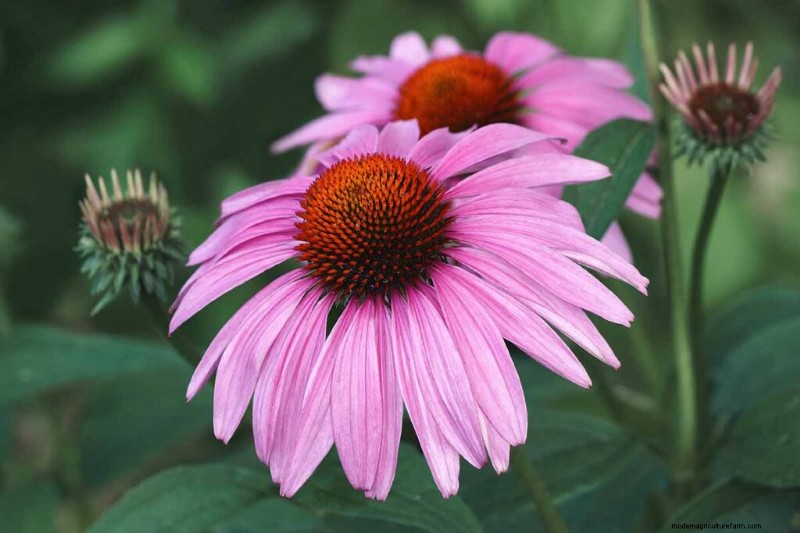
I petali dei fiori di tutte le Echinacea le specie non solo sono commestibili, ma personalmente le trovo deliziose. Non tutti sono d'accordo.
Sono certamente un po' amari e hanno un sapore estremamente speziato e floreale. Le cultivar con fiori profumati come "Fragrant Angel" hanno petali meno amari.
Echinacea dai capolini verdi – conosciuta anche come shochan o Rudbeckia laciniata – è di gran lunga la specie più gustosa, anche se tecnicamente non è un'Echinacea specie di “echinacea”.
Queste piante non solo condividono il nome comune "echinacea", ma appartengono anche alla stessa tribù della famiglia delle Asteraceae, le Heliantheae, e sono strettamente imparentate.
Il popolo Cherokee mangia questo tipo di echinacea da secoli e vale la pena cercarlo.
Staccate i petali dalla testa e conditeli nelle zuppe o nelle insalate, in particolare in quelle che resistono a un sapore più forte, come la panzanella.
Molte persone mettono la radice di echinacea nel brodo di pollo come tonico invernale contro il freddo, ma a me piace poterne assaporare i fiori.
Adoro la zuppa di pollo tailandese o messicana con un mazzo di petali gettati sopra prima di servire.
Se stai cercando un'eccellente ricetta per la zuppa di pollo messicana istantanea, visita il nostro sito gemello, Foodal .
Non mangiare i fiori di Susan dagli occhi neri, strettamente imparentati (R. hirta ). Sebbene le radici siano commestibili, i fiori e le teste dei semi dovrebbero essere evitati.
I petali non sono tossici, ma alcune persone soffrono di allergie quando li consumano e non hanno un sapore molto buono. Le teste dei semi sono leggermente tossiche.
Scopri di più sulla coltivazione dell'echinacea qui .
Non tutto il cosmo è commestibile. In effetti, dovresti attenersi a Cosmos sulphureus e C. caudato esclusivamente.
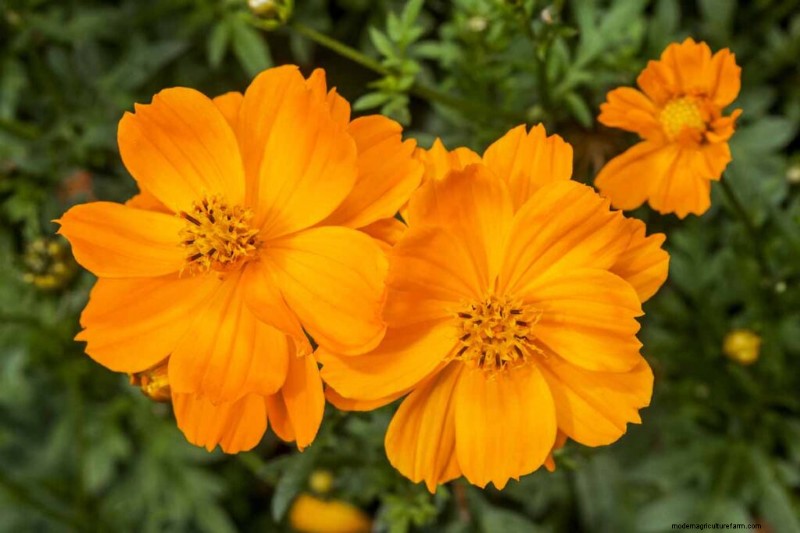
Hanno sapori leggermente diversi, con il primo che sa di erbe e di lattuga, mentre il secondo ha un sapore dolce e fruttato, non dissimile da quello di fragola o mango.
In Indonesia, dove viene consumato frequentemente, C. caudato è conosciuto come Kenikir. In Malesia si chiama Ulam Raja, che si traduce in “insalata del re”. Mi sembra giusto.
Scopri di più sui cosmo e su come coltivarli qui .
La prima volta che qualcuno mi ha detto di mangiare una dalia, Dahlia pinnata per essere precisi, pensavo che mi stessero prendendo in giro. In nessun caso quei fiori grandi e spettacolari potrebbero avere il sapore di qualcosa di buono.
A quanto pare, avevo ragione, ma lo era anche il mio amico. Le specie che ho provato non erano le migliori, ma negli anni successivi ne ho avute alcune incredibili.
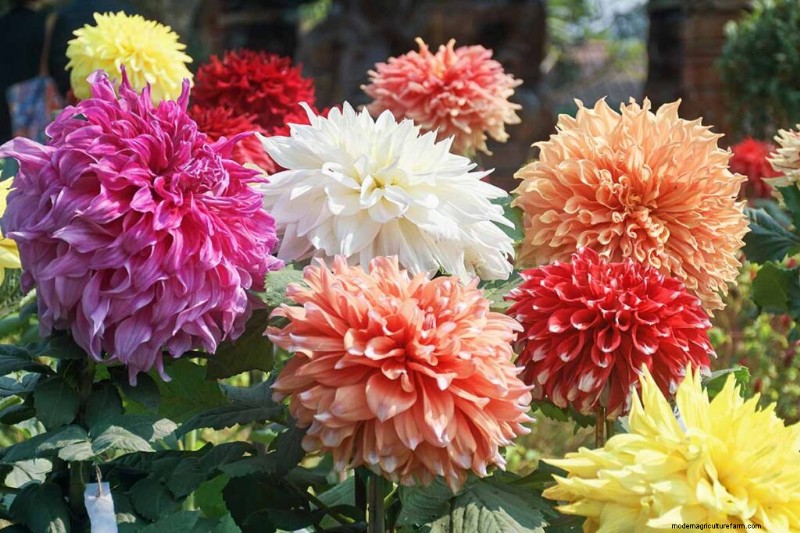
Le dalie sono imparentate con i girasoli e i topinambur . Tutte le specie sono commestibili e alcune hanno un sapore fantastico.
Venivano coltivati in Sud America come coltura alimentare molto prima che venissero trasformati nelle bellezze che conosciamo oggi.
Trovare dalie dal sapore favoloso è una questione di tentativi ed errori. Alcuni sono meravigliosi e hanno il sapore di una castagna d'acqua floreale.
Altri sono un po' più blandi, ma certamente non scoraggianti. Il mio preferito finora è D. coccinea – Ho assaggiato la radice e il fiore ed entrambi erano fantastici.
Ma non lasciare che questo ti limiti. Qualsiasi specie di dalia ha il potenziale per produrre una cultivar o un ibrido saporito.
Infatti, se ne trovi uno che ami, spargi la voce! Facci sapere nei commenti quale varietà è la tua scelta migliore.
La consistenza fresca e frizzante aggiunge contrasto ai piatti di formaggi e alle insalate.
Fanno bella figura anche come decorazione colorata per piatti di pesce o pasta. Trita i petali in una salsa o usali per guarnire un piatto di riso.
La nostra guida alla coltivazione delle dalie fornisce istruzioni per la coltivazione.
Queste “bellezze eterne” – questo è il nome botanico della margherita comune Bellis perennis significa – può essere consumato dal momento in cui spuntano i boccioli fino al momento in cui i petali iniziano ad appassire.
I boccioli sono in realtà meno amari dei fiori aperti e possono essere messi in salamoia proprio come si farebbero con i boccioli di tarassaco per fare i "capperi".
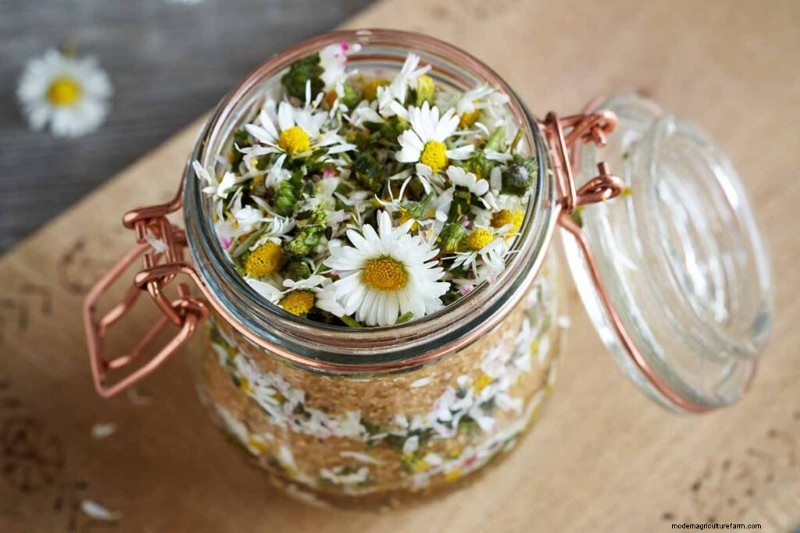
Mi piace condire i fiori sulla ricotta, sulla salsa di spinaci e sulle insalate, ma sono ottimi anche nel burro o possono essere canditi.
Tieni solo presente che a molte piante è stato dato il soprannome comune di "margherita".
Piante come Shasta (Leucanthemum × superbo ) , Gerbera (Gerbera spp.) e margherite di Montauk (Nipponanthemum nipponicum ) non sono vere margherite e non sono commestibili.
Le foglie tendono ad attirare tutta l'attenzione in termini di commestibilità, ma dovresti assolutamente dare il dente di leone (Taraxacum spp.) sboccia anche uno scatto.
Dopo averli raccolti, immergili in acqua fresca o a temperatura ambiente per alcuni minuti per scacciare eventuali insetti che potrebbero nascondersi nell'infiorescenza.
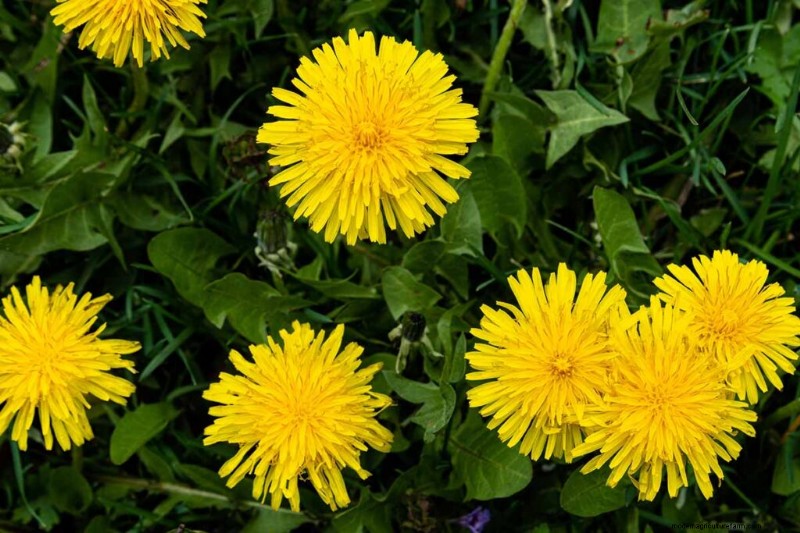
I denti di leone sono incredibilmente versatili . Raccogliere i boccioli verdi compatti e metterli sott'aceto per fare i “capperi”.
Oppure condisci i germogli con sale, pepe e burro e falli rosolare per qualche minuto per ottenere un dolcetto dal sapore simile ai funghi.
I fiori possono essere utilizzati per preparare uno sciroppo di tarassaco infuso.
Dopo aver strappato i petali e averli lavati delicatamente in acqua fredda, portare a ebollizione in un pentolino una miscela di parti uguali di acqua e zucchero semolato per sciogliere lo zucchero e preparare uno sciroppo semplice.
Togliere dal fuoco, quindi aggiungere i petali e mettere in infusione lasciando raffreddare il composto, nella pentola o trasferirlo in una ciotola di metallo o vetro resistente al calore.
Coprire e lasciare riposare a temperatura ambiente per 24 ore. Filtrare e conservare in un barattolo o bottiglia a chiusura ermetica nel frigorifero per un massimo di una settimana.
Puoi anche cucinare i fiori come gli spinaci o condirli freschi sulle insalate. Mi piace tagliare i fiori più grandi e rimuovere le parti verdi per migliorarne la dolcezza.
I fiori più piccoli possono essere usati interi.
Naturalmente, puoi anche preparare il vino di tarassaco, tritare i fiori per usarli su frittate, guarnire zuppe o trasformarli in un tè.
Daylilies (Hemerocallis spp.) sono appariscenti e creano uno spettacolo impressionante, ma a differenza di alcuni fiori che sono tecnicamente commestibili ma non molto saporiti, sono super gustosi.
Penso che siano abbastanza buoni che valga la pena coltivarli come commestibili. Il display è solo un vantaggio.
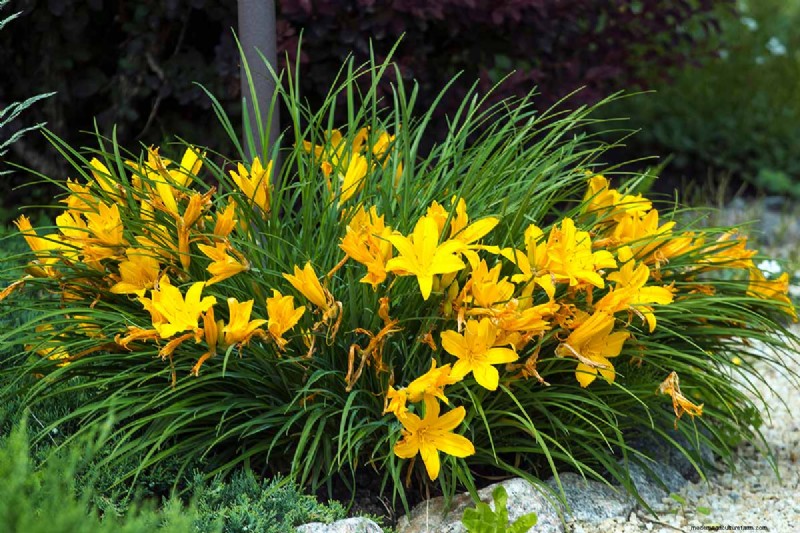 Emerocallide commestibile.
 Cogli i fiori al mattino quando si aprono. I petali hanno il sapore di fagiolini con aggiunta di miele e un tocco di pepe nero.
Non mangiare pistilli e stami. Sebbene non siano velenosi, hanno una consistenza e un sapore sgradevoli.
Metti sott'aceto i succulenti petali, usali come condimento per carne e pesce, oppure tritali e aggiungili alle uova o alle insalate. Farciteli o impastateli e friggeteli come se schiacciaste i fiori.
Mi viene l'acquolina in bocca solo a pensarci... Assicurati solo di rimuovere prima delicatamente i pistilli e gli stami.
Ma non confondere i daylilies con i veri gigli (Lilium spp.) , che sono velenosi! Guarda le foglie per determinare quale è quale.
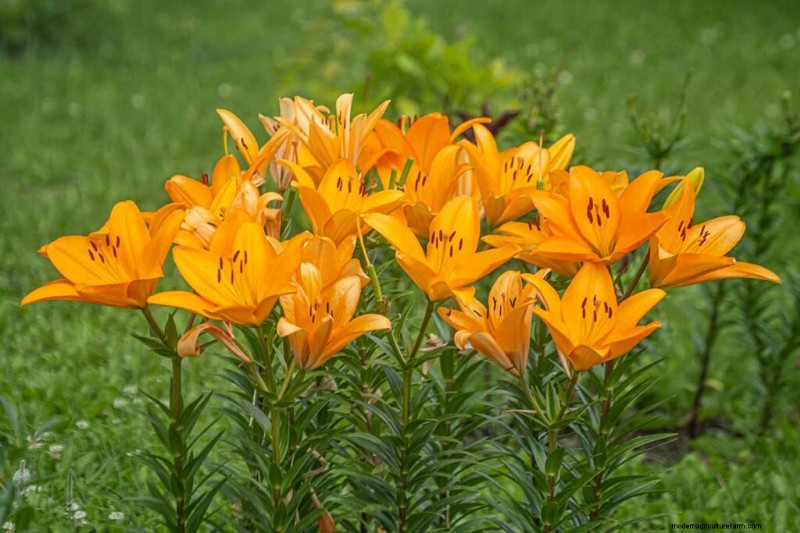 Questo ibrido asiatico è un vero giglio, e questi fiori non lo sono commestibile.
 I daylilies hanno lame lunghe e piatte che emergono dalla linea del terreno. Troverai anche più steli sulla pianta. I gigli hanno un unico stelo con una spirale di foglie che risalgono lungo lo stelo.
Scopri di più sui daylilies nella nostra guida .
Sia che li coltiviate per uso alimentare, medicinale o ornamentale, quei grappoli di fiori di sambuco bianchi dall'odore paradisiaco (Sambucus spp.) sono una delizia favolosamente dolce. Hanno il sapore dell'uva dolce.
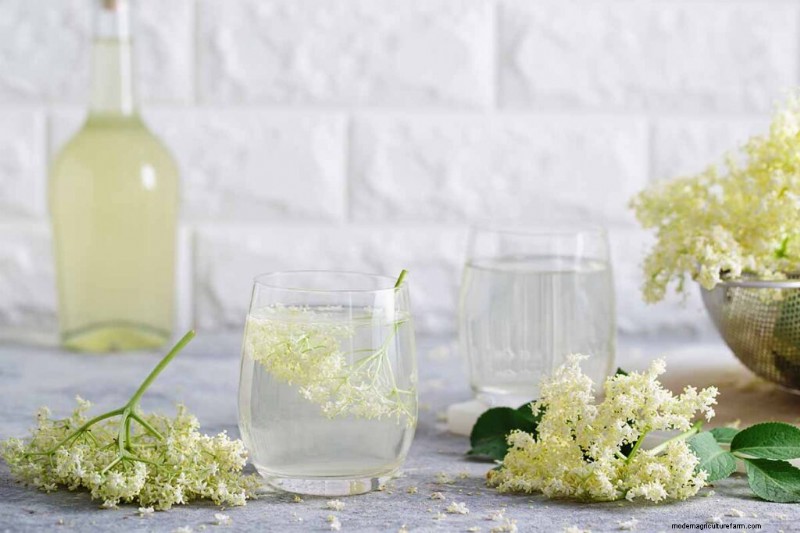
Ovviamente, sono comunemente trasformati in vino, ma puoi anche usarli per guarnire pancake o frittelle, impastarli e friggerli o usarli come guarnizione per l'anatra o il pollo.
Devi stare attento ai tempi quando raccogli i fiori. Se aspetti troppo a lungo, alcuni fiori in ogni grappolo saranno già sbiaditi e marroni e non avranno affatto un buon sapore.
Innanzitutto, assicurati che tutti i fiori siano aperti. Maturano partendo dall'esterno e spostandosi verso il centro.
Sciacquarli delicatamente in acqua fredda e lasciarli asciugare prima dell'uso. Quando le cogli ti perderai le bacche, ma ne vale la pena.
Consulta la nostra guida sulla coltivazione delle bacche di sambuco .
Certo, sono famosi per quell'olio medicinale, ma l'enotera (Oenothera biennis ) è anch'esso interamente commestibile. Mangiare i boccioli crudi o cotti e i petali crudi. Puoi mangiare anche i semi.
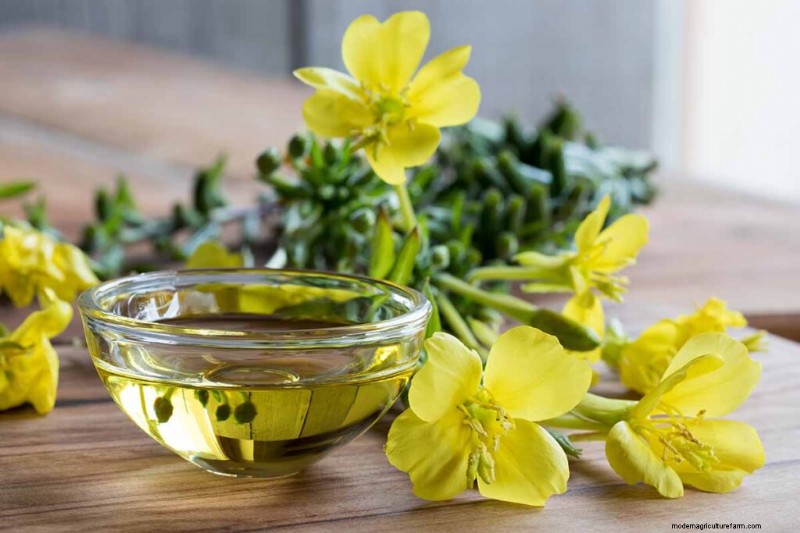
I petali hanno un sapore agrumato e simile al miele, ideale per piatti dolci come biscotti, torte, pasta frolla e pavlova.
Se vuoi coltivare l'enotera nel tuo giardino, consulta la nostra guida .
Dolce e minuscolo come l'orecchio di un topo, da cui il nome del genere Myotis in greco significa:i piccoli fiori di un nontiscordardime (Myotis spp.) sono troppo carini per essere dimenticati.
Se hai bevuto il Frappuccino Non ti scordar di me di Starbucks, non hanno niente di simile. I fiori veri hanno una nota leggermente floreale e amara.
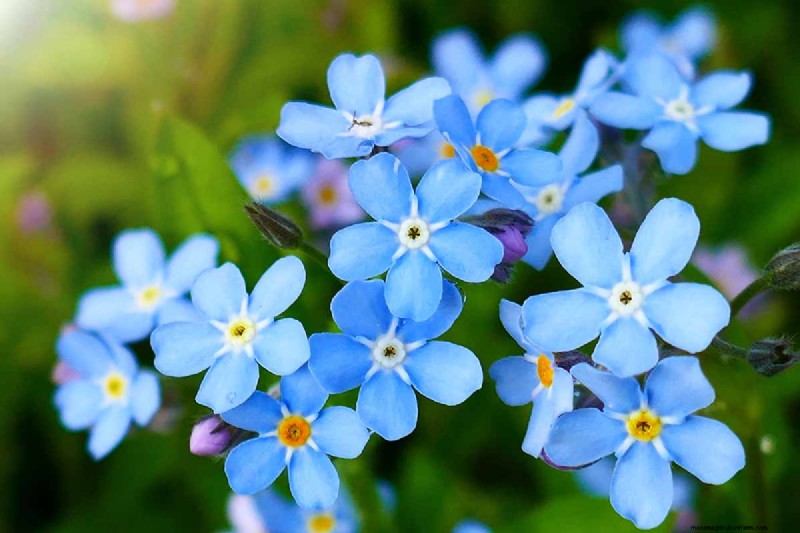
Sono migliori canditi e utilizzati per guarnire i dessert, poiché lo zucchero maschera parte dell'amarezza.
Scopri di più sui nontiscordardime qui .
Forse sospirerai di sollievo quando arriva la primavera e la forsizia (Forsizia spp.) illumina il paesaggio.
Lo so, perché significa che i tetri mesi invernali sono alle nostre spalle. Ma quei petali vibranti annunciano anche l'arrivo della forsizia che sgranocchia il tempo!
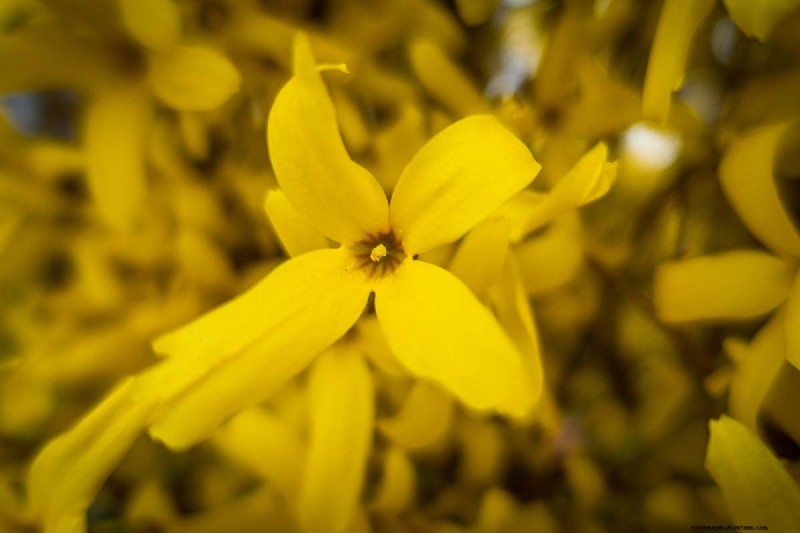
Hanno un delicato sapore floreale che non sovrasta nulla, ma il colore è abbastanza sorprendente da compensare il loro sapore morbido.
Usali per preparare sciroppi, miele aromatizzato, olio infuso, marmellate e gelatine o semplicemente condirli su un'insalata per aggiungere colore.
Consulta la nostra guida alla coltivazione della forsizia per istruzioni sulla coltivazione .
Fucsie (Fucsia spp.) sono alcuni dei migliori fiori da mangiare , secondo me. Anche le bacche sono fantastiche.
Abbiamo anche una guida interamente dedicata alla semina, alla raccolta e al consumo di essi , comprese le migliori varietà da provare.
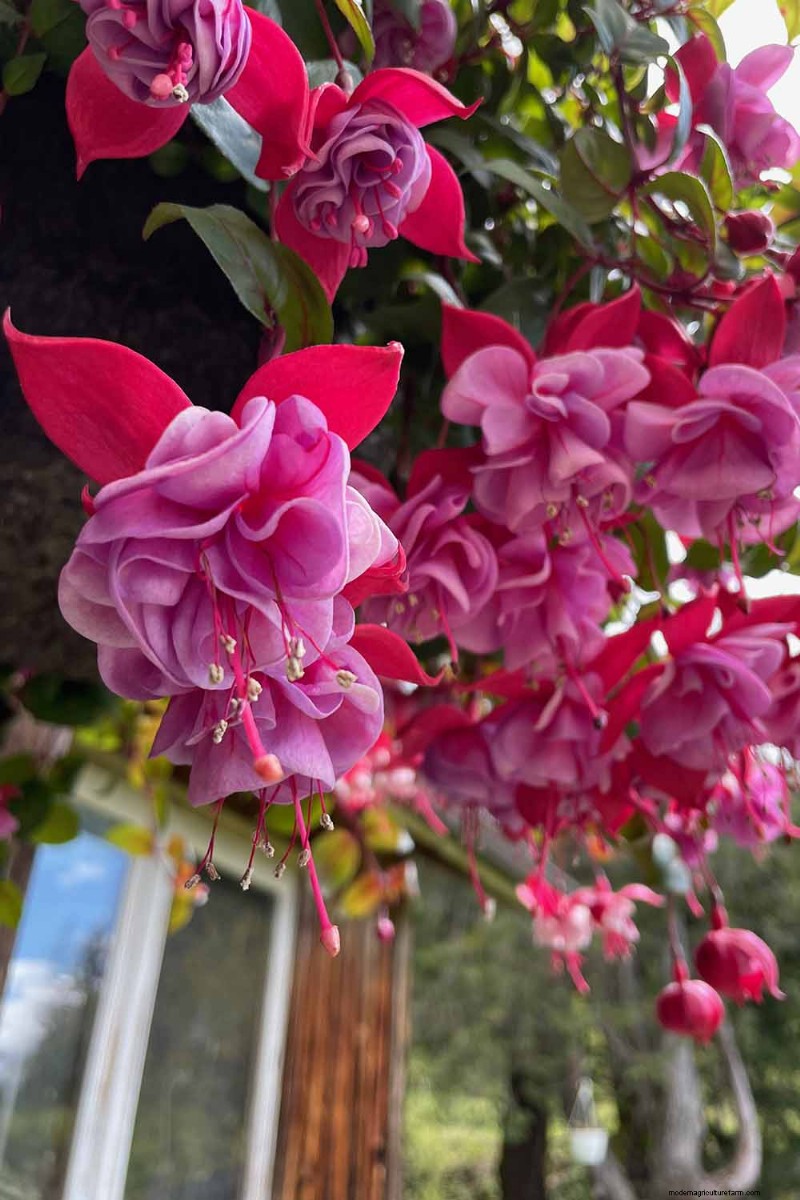 Foto di Kristine Lofgren.
 Alcune specie hanno un sapore migliore di altre, ma sono tutte commestibili e hanno un buon sapore.
È difficile battere questi fiori come condimento per un'insalata o una zuppa, aggiunti appena prima di servire, perché sono così straordinari. Usali anche come guarnizione commestibile per piatti di riso o bevande.
Splendide gardenie (Gardenia spp.) profumano come una piccola fetta di paradiso e hanno un sapore altrettanto buono.
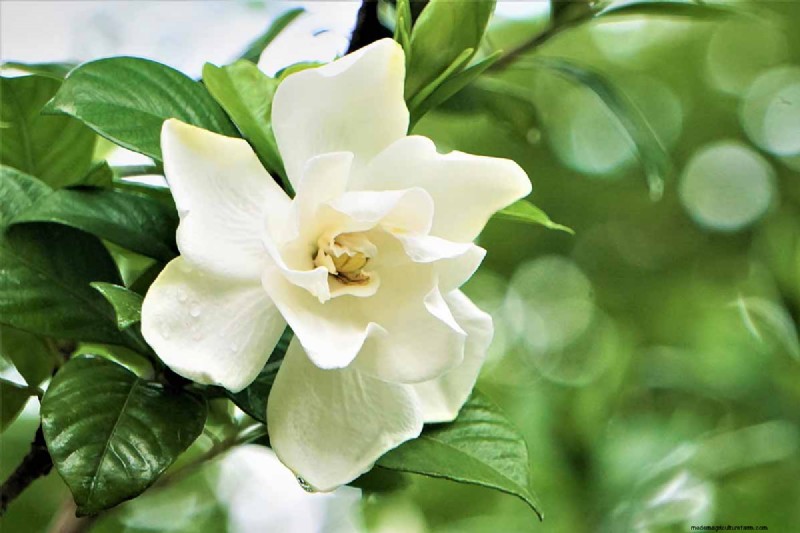
Un tempo famosi per l'uso nei corpetti e negli allestimenti nuziali, i fiori dolci come il miele possono essere marinati, canditi o pastellati e fritti come frittelle.
Usali per infondere il miele, nel gelato, con la panna montata per guarnire le meringhe o puoi anche aggiungerli alle patatine fritte.
Scopri di più sulla coltivazione della gardenia nella nostra guida .
Geranio profumato (Pelargonium spp.) non hanno un sapore così buono come l'odore, ma vale sicuramente la pena sperimentare per vedere quale varietà ti piace di più.
Alcuni fiori sono meglio usati come guarnizioni o per aggiungere aroma al tuo piatto, mentre altri sono incredibilmente deliziosi.
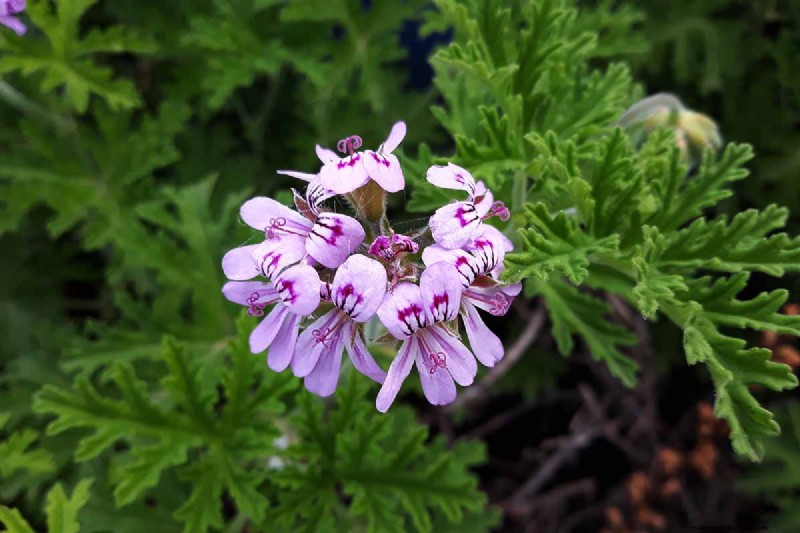
Le varietà di agrumi sono vincenti nei piatti di pesce e di carne, mentre la varietà al profumo di rosa è deliziosa nei dessert.
Geranio Cranesbill (Geranium carolinianum ) are also edible, from the roots to the flowers, but these aren’t nearly as tasty as their scented cousins.
The blossoms on zonal geraniums (P. x hortorum ) are edible as well. But give them a taste before you commit to using them in a recipe, because the bitter flavor isn’t to everyone’s liking.
Gladiolus (Gladiolus spp.) tastes a lot like romaine lettuce but these blossoms are a whole lot prettier in the garden.
This flavor profile makes them perfect for use in salads, but you could also toss them in lettuce soup or add them to sandwiches for some bold color.
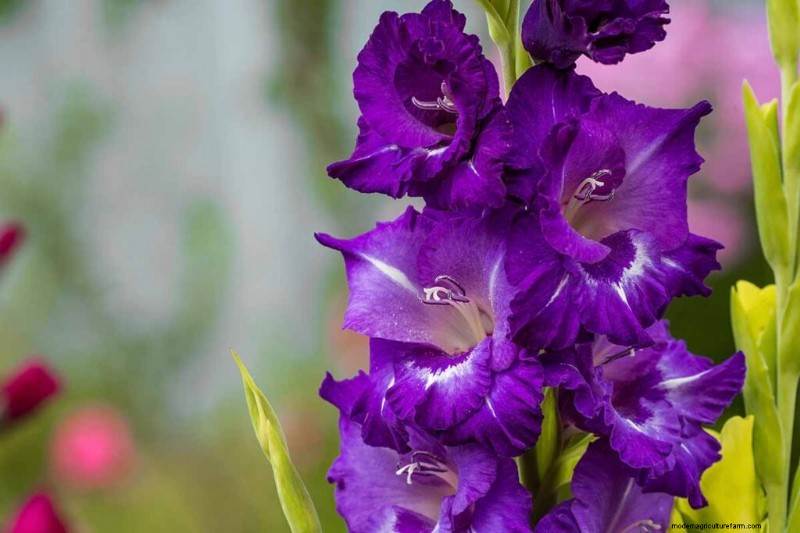
Even better, stuff them as you would squash blossoms. Try shredded chicken, tuna, egg, cheese, or anything else that strikes your fancy.
Just imagine a plate full of orange, maroon, purple, and salmon-colored gladiolus being passed around as appetizers at a party. They’re impressive.
Be extra careful to wash these flowers gently because they can become crushed or ripped quite easily.
Learn more about growing gladiolus in our guide .
These are my least favorite to harvest of all the blossoms on this list, thanks to the tree’s gnarly thorns, but hawthorn (Crataegus spp.) flowers are quite flavorful.
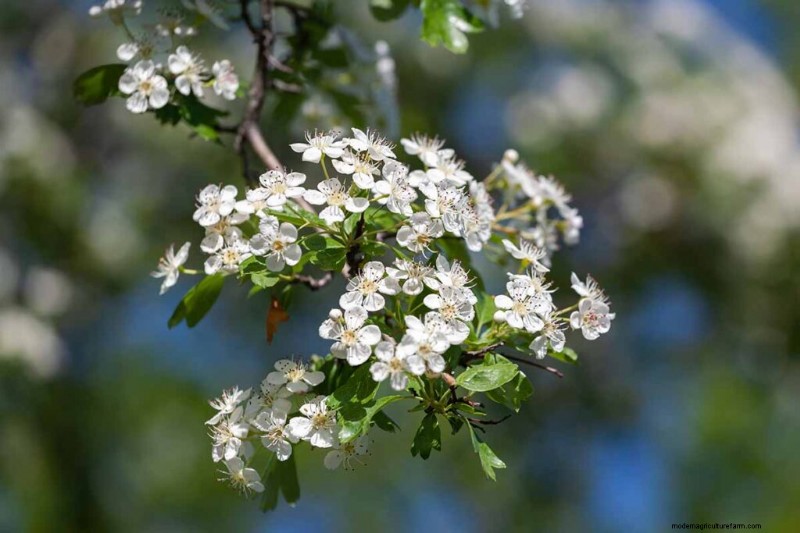
You should only eat the flower buds or the young, recently opened flowers, never the older blossoms that are turning brown.
And as just a brief aside on hawthorn fruit – don’t even think about eating the seeds inside the berries since they’re poisonous. The flesh of the berries, however, is fine to consume.
Young hawthorn flowers and buds have a similar flavor to crabapple blossoms, which are lightly floral.
Learn more about hawthorn care here .
One of the few flowers that can stand up to cooking, Hawaiian hibiscus, also known as rose mallow or Hibiscus rosa-sinensis , has a tart flavor that is oh-so-refreshing.
If you’ve ever had Jamaica tea then you know what I’m talking about.
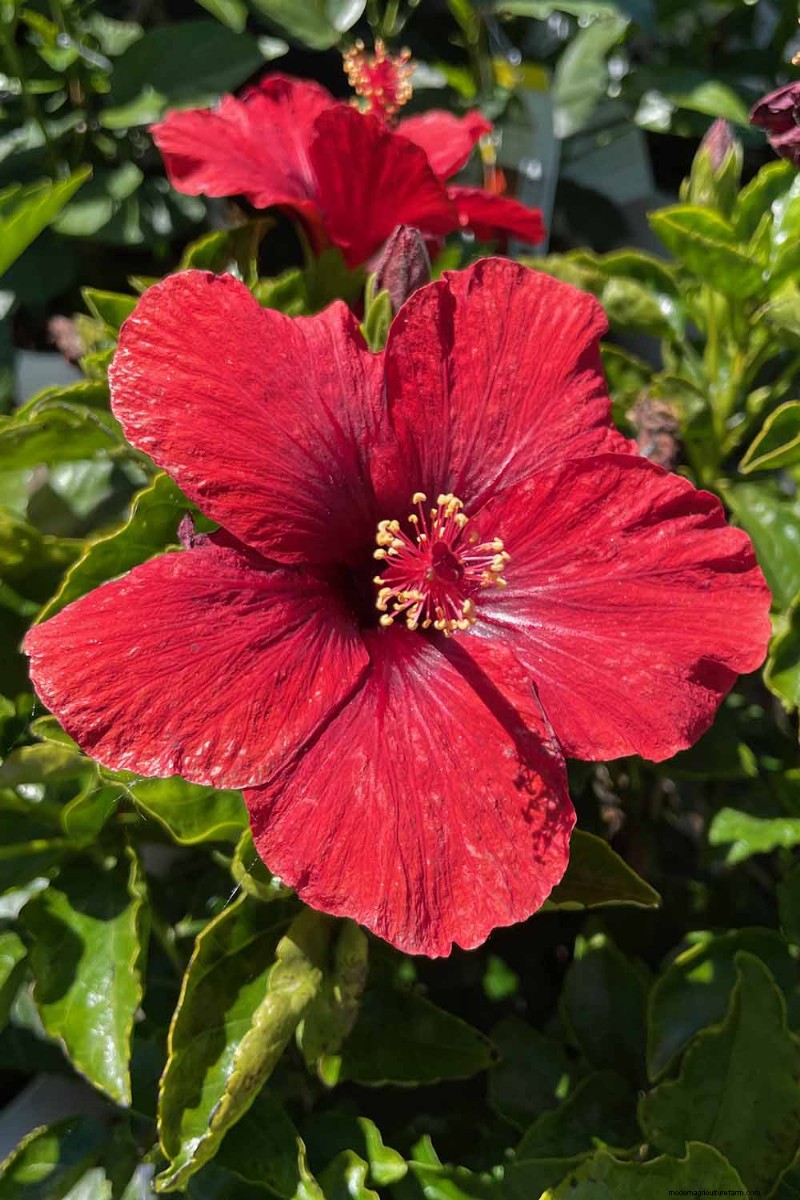 Photo by Kristine Lofgren.
 All perennial hibiscus species are edible, but H. rosa-sinensis and H. sabdariffa are the best tasting.
Cook them in quesadillas, enchiladas, or taquitos, toss them in salads and cocktails, bake them into tarts and pies, or make them into jam.
Our guides provide cultivation instructions for hardy hibiscus and tropical hibiscus .
Hollyhocks (Alcea spp.) have been around for an extremely long time, and they’re one of the earliest recorded cultivated flowers.
People in their native Asia and Europe munched on them and used them as ornamentals in the garden simultaneously.
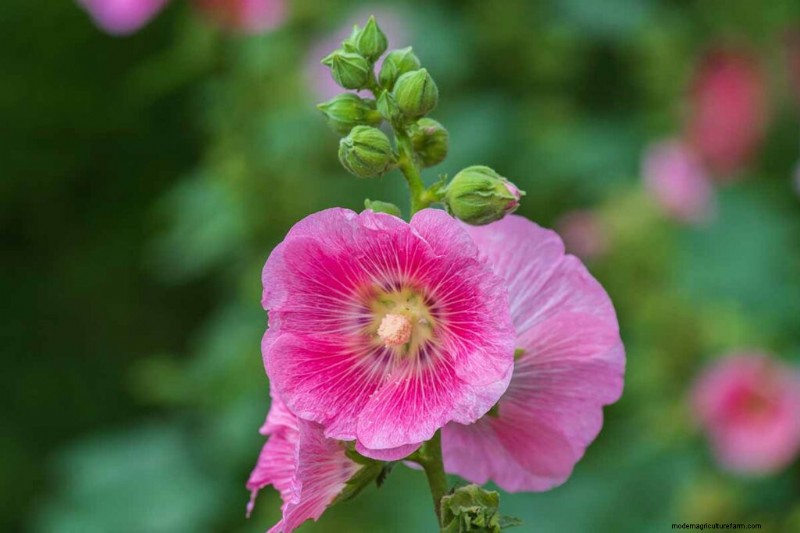
Remove the seedy center and use them on salads, in cocktails, on desserts, or to garnish a cheese plate.
Learn more about hollyhocks in our growing guide .
If you ever sucked on the ends of honeysuckle blossoms (Lonicera spp.) when you were a kid, then you know just what you’re in for.
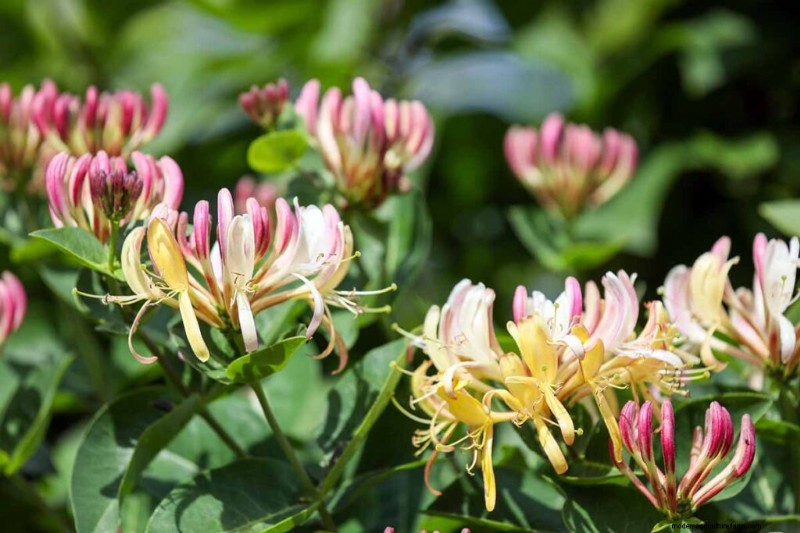 Photo by Kristine Lofgren.
 Honeysuckle is sweet, floral, and yes, similar to honey in flavor. The flowers are wonderful for infusing tea or honey, and tossed on desserts or into salads.
Consult our growing guide to learn how to cultivate honeysuckle .
A lot of people don’t realize how beautiful hosta (Hosta spp.) flowers can be , and even more people don’t know that they’re edible – as are the young shoots of the plant.
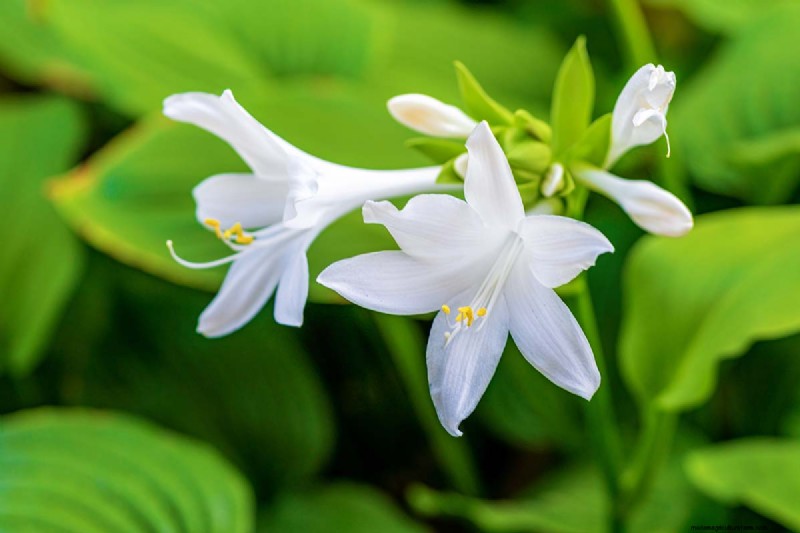
I wouldn’t say that they’re worth cultivating solely for the edible flowers, however, since they’re pretty mild. But they’re not at all bitter, and they have a subtly sweet, floral flavor.
Learn more about cultivating hostas here .
Impatiens walleriana are a standard in shady garden spots, but they should also be more popular in the kitchen.
Flowers of this species are most commonly referred to simply as impatiens, or sometimes as busy Lizzies.
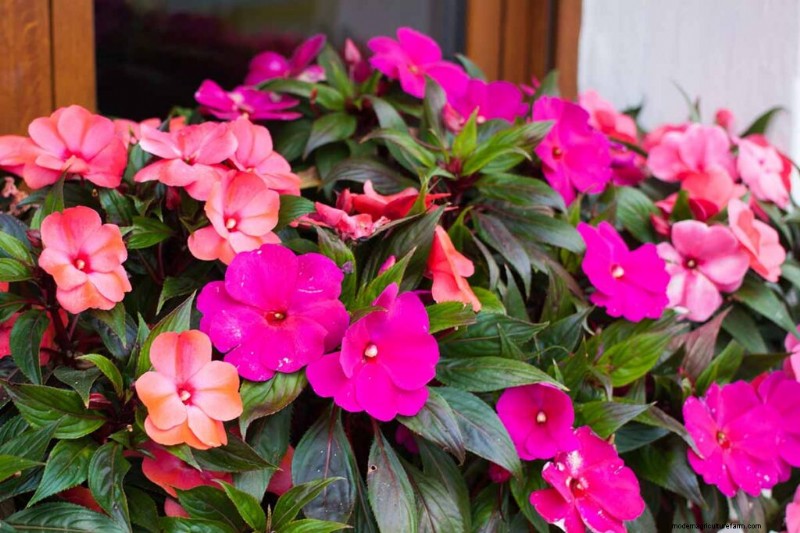
The petals are surprisingly sweet and crisp. They’re just perfect for cocktails, desserts, salads, and sandwiches.
Don’t eat any other Impatiens species.
Some, like jewelweed , are edible but should only be consumed if they’ve been cooked. It’s easier to just stick with the good old garden classic we know and love for this genus.
Learn about how to grow impatiens here .
There are lots of different types of jasmine out there but only Arabian jasmine (Jasminum sambac ) is edible.
Every other species is poisonous, so you have to be absolutely, 100 percent sure that you’ve got the right one.
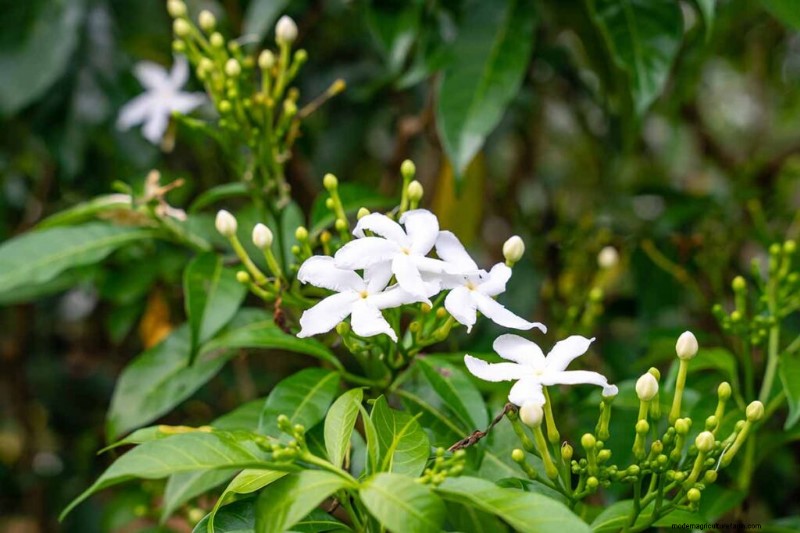
So long as you have the correct plant, you can enjoy the pungent blossoms sparingly as a garnish, or in syrups or cocktails.
The flowers are pungent and they can overpower your senses.
Check out our guide to growing jasmine to learn more.
I’ll warn you in advance, lavender (Lavandula spp.) should also be used sparingly. It isn’t bad for you, but the flavor is bold.
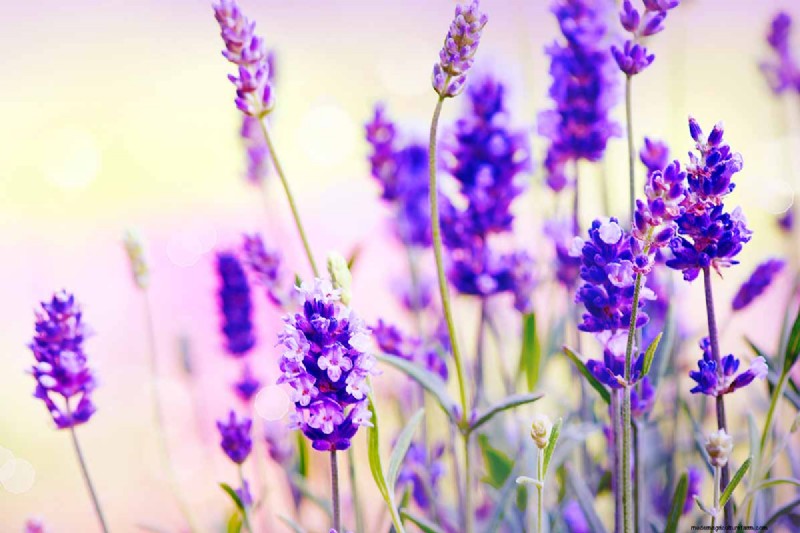
You know that pungently floral, spicy fragrance of the flowers? They taste just like that. That’s why so many people prefer them candied, since the sweetness cuts down on the spice.
Lavender tea is marvelous, and as many people already know, the candied flowers are an edible floral staple.
But be a little more creative! Use lavender in cocktails, fruit salads, and on desserts, to make jams and jellies, or in pies.
Then, try the blooms rubbed onto beef as part of a spice blend, chopped finely and added to a sauce for lamb, or tucked in around a roasted chicken before serving.
Our guide to growing lavender provides full cultivation instructions.
You already know that you can eat the leaves of lemon verbena (Aloysia citradora ), but the blossoms taste just as good, if not better.
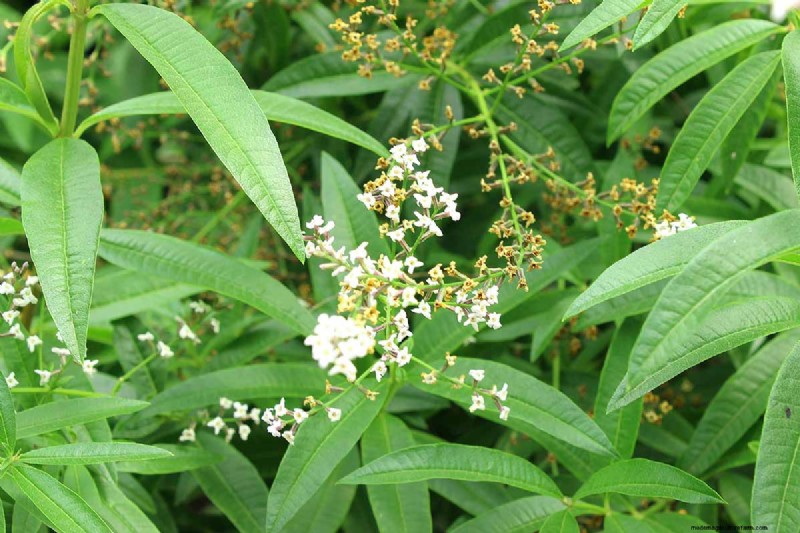
They have a similar flavor with an added floral hint. Use them liberally in cocktails and desserts.
Learn more about lemon verbena here .
Lilacs (Syringa spp.) taste just like they smell:pungently floral and sweet.
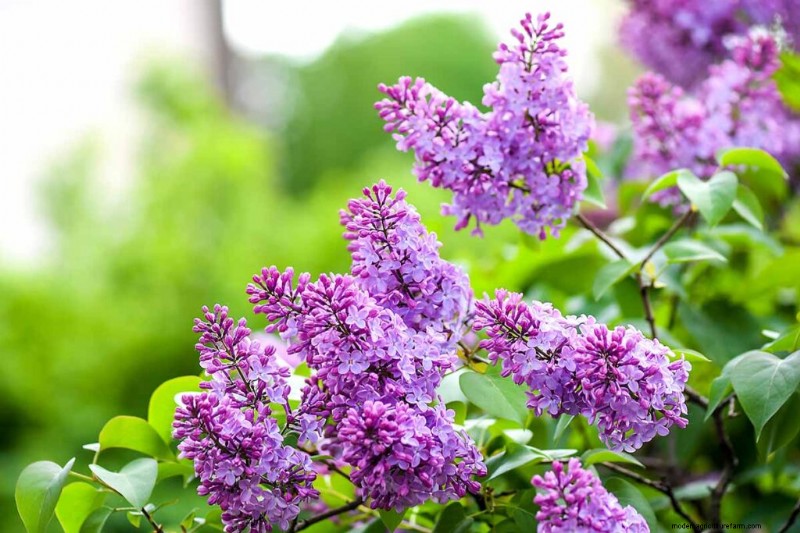
Every spring, I stuff lilac blossoms into a mix of equal parts sugar and water, and cover it with a cotton cloth.
Then, I agitate the mixture every day for a few days. Next, I strain the liquid and seal it with a lid.
After a few days, the yeast on the flowers causes the liquid to ferment. Voila, you have a naturally fizzy drink with a marvelous flavor!
You can also candy these flowers or use them on desserts.
Learn more about lilacs in our growing guide .
Gardeners seem to have a love-hate relationship with linden trees (Tilia spp.). They can be messy, but my goodness, the flowers smell incredible! And you can eat them, too.
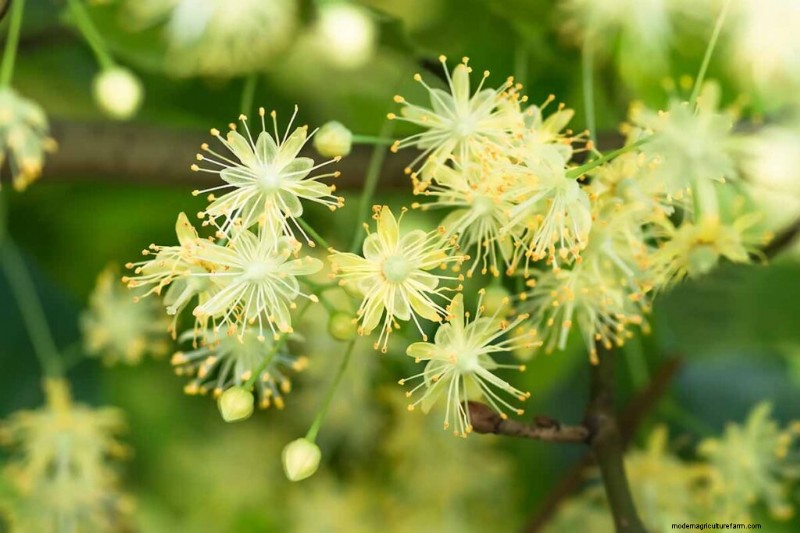
Gather them soon after they open, before they start to turn brown. Use them to garnish desserts or cocktails.
Learn more about growing linden trees here .
These close relatives look and taste very similar. Many people eat the roots of lotuses (Nelumbo spp.) and water lilies (Nymphaeaceae family), but the flowers are edible as well.
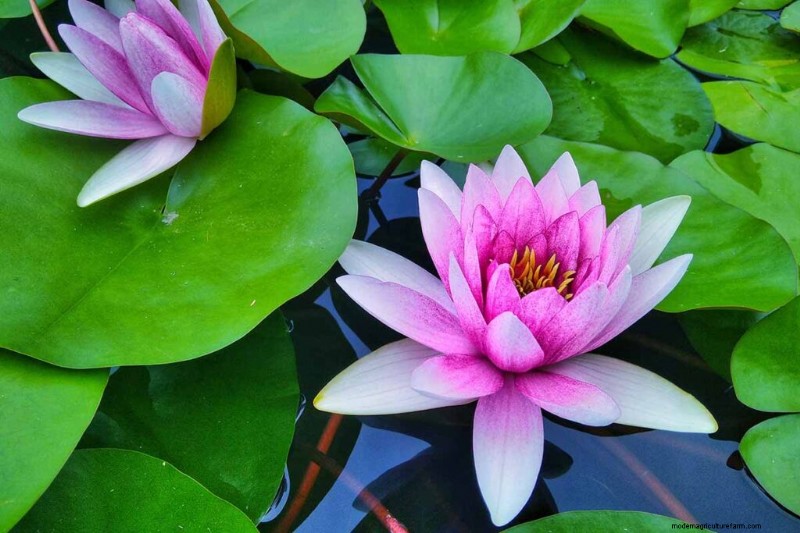
Remove the sepals and stamen and then stuff the honeydew-flavored flower with anything your heart desires, like cream cheese, dip, or pickled veggies.
You can batter and fry them, chop them to add to soups and salads, or just use them as a garnish.
Magnolia blossoms (Magnolia spp.) are edible, but there’s a lot of debate about which type tastes best.
Some people swear the ones with pink petals are the way to go, while others say the magenta and white ones are superior.
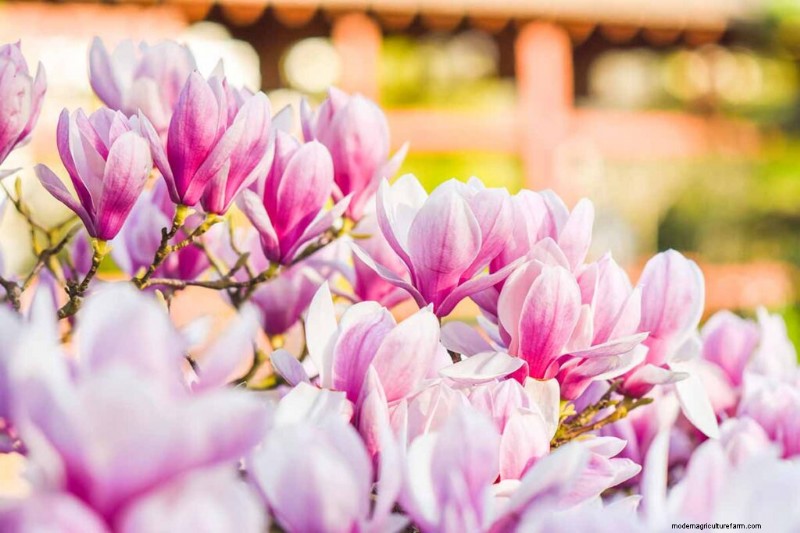
I say, just take a nibble of whatever you have access to and decide if it’s for you or not.
The darker the color, the more bitter the flavor becomes. White is more citrusy, and pink has hints of cardamom.
The petals are excellent pickled and can be used to replace pickled ginger, since the blossoms also have a ginger-like flavor.
Check out our guide to growing magnolia to learn more.
Mallow (Malva spp.) is a unique addition to the kitchen in that we don’t usually eat these plants for their flavor, but for the texture they provide.
You can add the mucilaginous leaves to soups as a thickener.
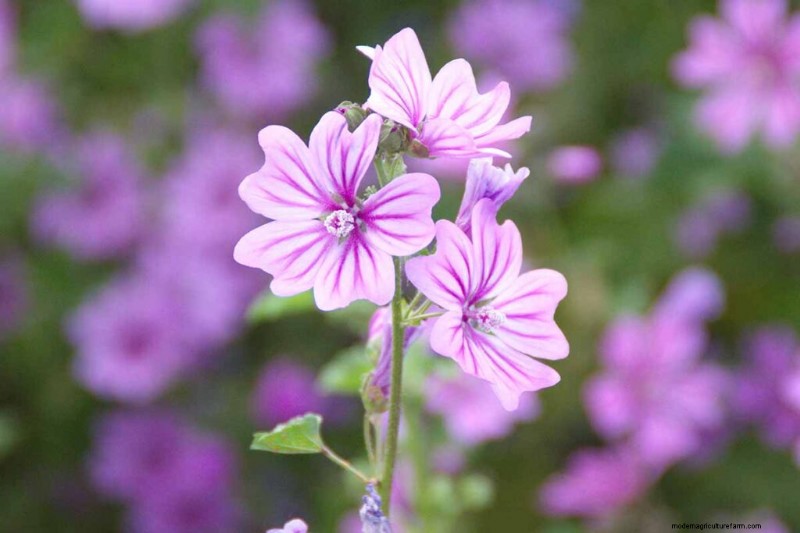
The petals are also flavorful either cooked or raw, but test out the texture first before you go all in.
The viscous mouthfeel can be off-putting to some people, but the mild flavor makes this flower ideal when you want something similar to tofu that will absorb any flavor you pair with it.
Use it anywhere you would use okra, in soups, salads, or stir-fries.
Of all the species on this list, marigolds (Tagetes spp.) might be the most versatile.
The petals are perfect in breads, rice, stews, soups, cakes, and drinks, as well as egg, fish, chicken, beef, or veggie dishes.
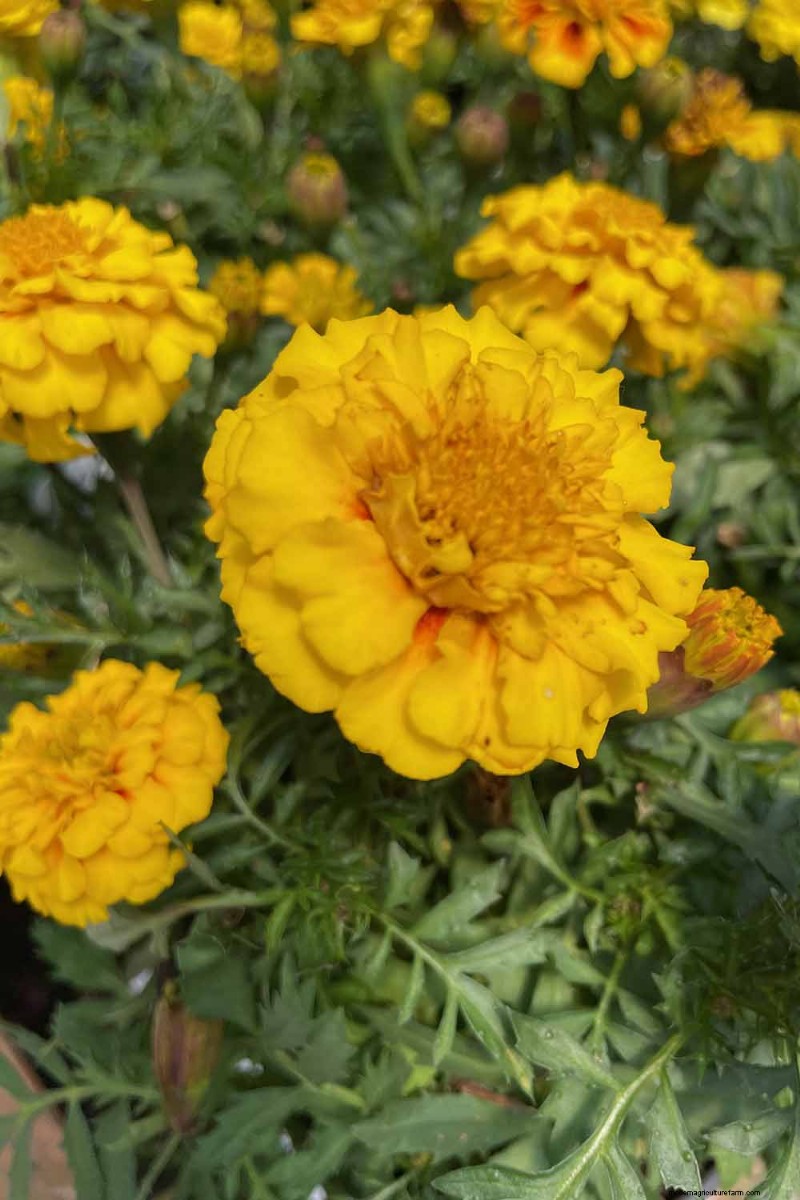 Photo by Kristine Lofgren.
 They can be pickled with vegetables, added to compound butter, and used to garnish cocktails. And don’t forget their appeal in sandwiches, fish salads, and custards!
The dried leaves can also be used as a saffron substitute to add color to cooked dishes.
We have a whole guide available to help you use and enjoy these classic beauties .
And to learn how to grow marigolds, check out our guide .
We all know that mint leaves (Mentha spp.) are incredible, but how often do we actually eat the flowers?
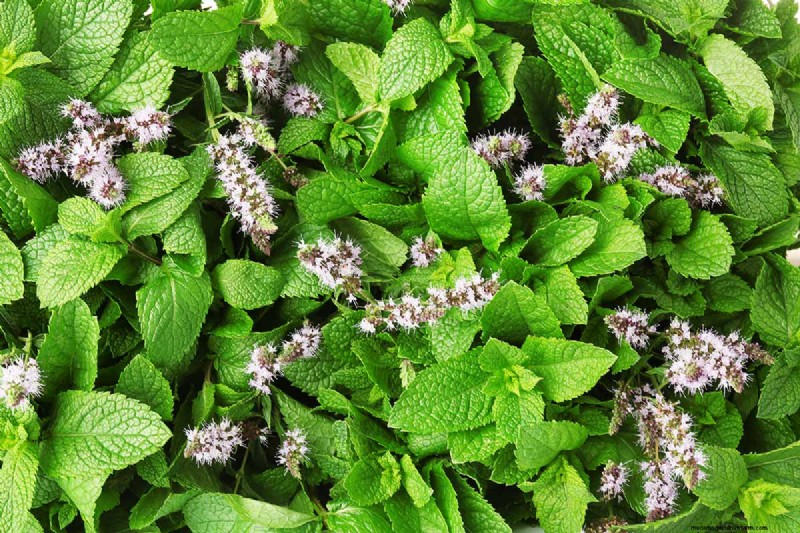
Not often enough, I say! Use them anywhere you’d use mint. They have a similar flavor with a hint of floral goodness that I think makes them taste even better than the famous leaves.
They’re a bit of a pain to prepare since you have to carefully pop each flower off of the stem individually, but once you have a small handful, you have a game-changing ingredient available to garnish drinks, desserts, salads, and soup.
Seriously, try a palmful on a bowl of cucumber and milk or yogurt soup and tell me it didn’t blow your mind. Our sister site Foodal has a recipe worth checking out.
You always read in gardening guides about how you should trim any flowers off of your mint plants, but I say save them and put them to work in the kitchen!
Learn more about growing mint in your herb garden here .
If watercress and honey had a baby, it would be nasturtium (Tropaeolum spp.).
And that’s not a surprise, given that this plant was once considered a type of cress until Linnaeus reclassified it in the eighteenth century.
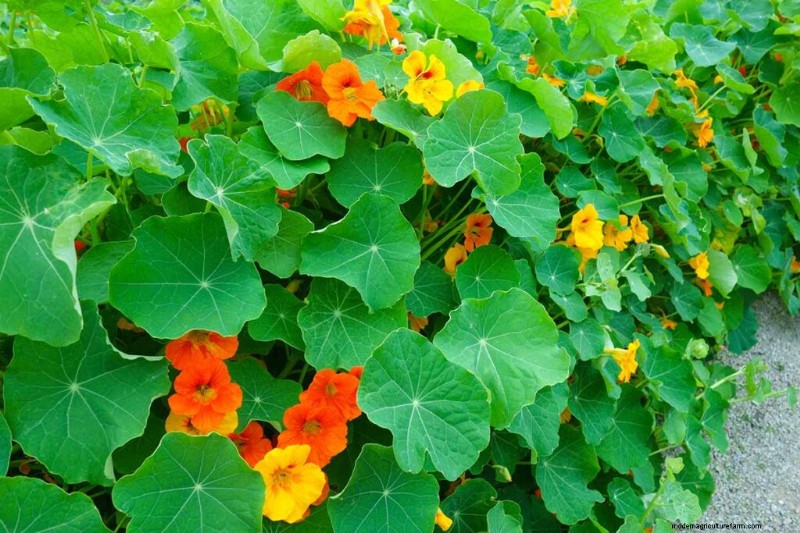
These flowers should be eaten fresh, and they don’t dry well. They also don’t cook well and taste bitter once they start to wilt.
For that reason, add them to warm dishes like omelets, quiche, fish, veggies, and soups immediately before serving.
Otherwise, use them in cool dishes like salads, sandwiches, and desserts.
Broccoli and brussels sprouts become much more interesting when drizzled with melted butter infused with nasturtium blossoms.
Add the blossoms to the jar when pickling veggies, use them as tiny lettuce-like wraps, or make a pesto.
Find more ideas and tips in our guide to eating nasturtiums , and if you need growing info, you can find it here .
Orchids can be a little hit and miss when it comes to edibility, and there are many varieties out there. But if you stick with Dendrobium species, you’ll be in good shape.
These are the ones you can often find packaged at stores and sold for use in cooking. The flowers are firm and crisp with a flavor similar to endive .
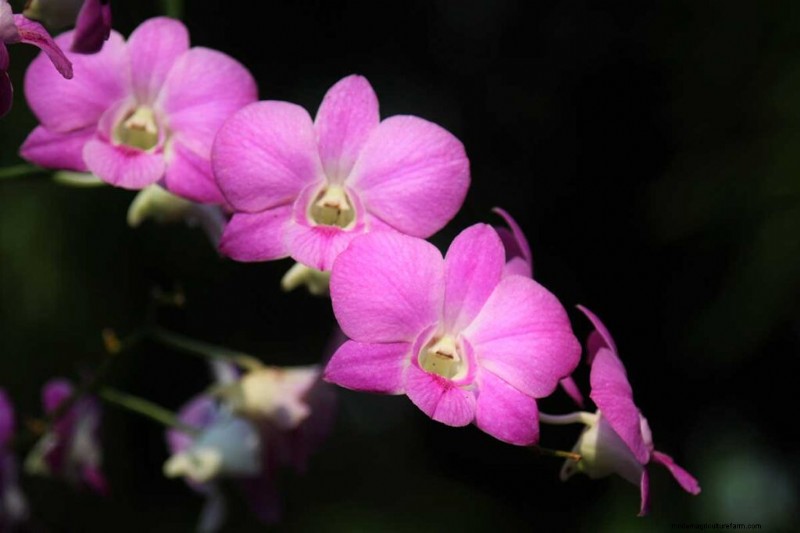
They’re a hit battered and fried, but they’re also lovely in cocktails, in salads, or dipped in sugar for a sweet treat.
Want to learn more about orchids? Our guide has you covered .
Most pansies (Viola tricolor var. hortensis ) don’t have much flavor on their own. They’re best candied, or simply used as eye candy.
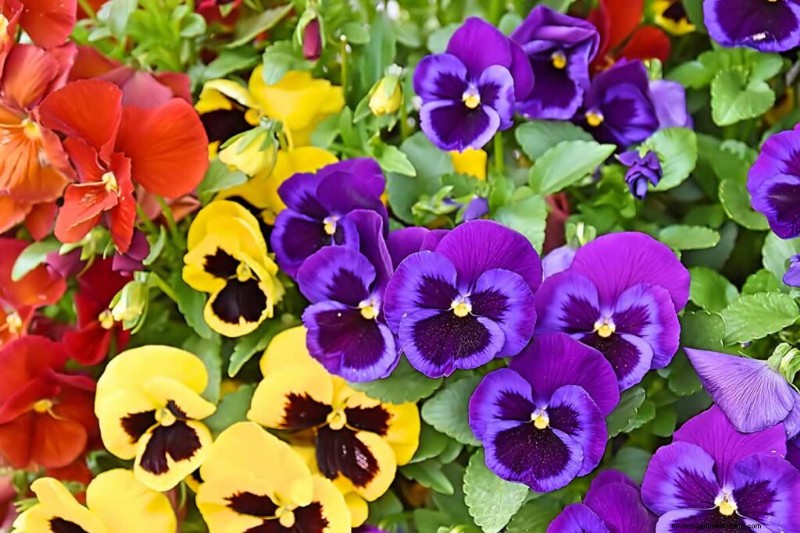
I think this is a shame, because they used to be much more flavorful than they are now.
Breeders have been focused on making prettier blossoms rather than tastier ones, but don’t let that stop you from using them in your desserts or salads if more for the color than anything else.
Though it’s mostly concentrated in the edible leaves and stems, if you hunt down Viola x wittrockiana , this hybrid still has the wintergreen flavor that makes violas real winners as edible blossoms.
It comes from methyl salicylate in the plant. If you pull the petals and just use them, they’ll have more of a mild, grassy flavor.
You can learn how to grow pansies here .
Passionflowers (Passiflora spp.) are so funky and alien-looking that you might be a little nervous to chomp down on one, but don’t be timid.
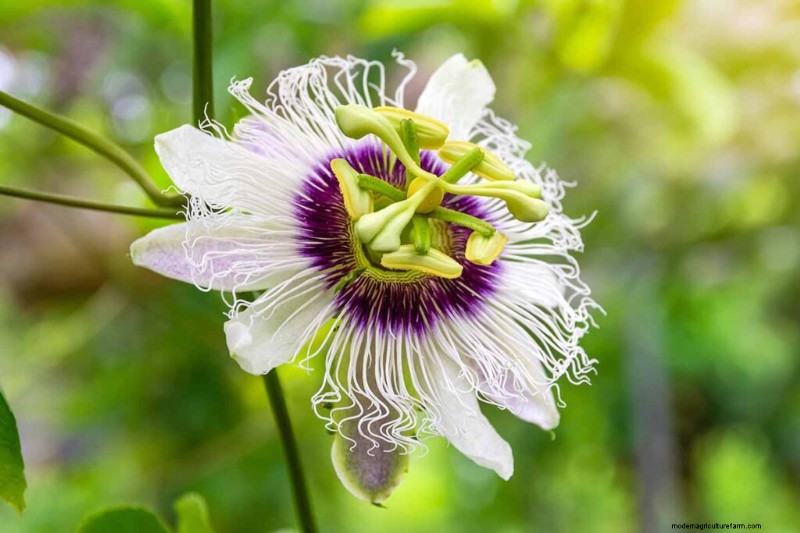
The petals have a tart, sweet flavor and are beloved in tea, both iced and hot.
You can also use the petals to make a cordial as described above for lilacs, or chop them to use on desserts.
Learn how to grow passionflower here .
Flowers from any type of edible pea plant (Pisum sativum ) can be consumed, as well as some types of ornamental peas like blue butterfly (Clitoria ternatea ).
True pea flowers taste a lot like… wait for it… peas! Blue butterfly pea has a distinctly chamomile-like flavor.
Blue butterfly blossoms are intensely blue, but if you mix them with an acid like lemon or vinegar, they turn the solution purple. You can use it to color or add flavor to dishes or cocktails.
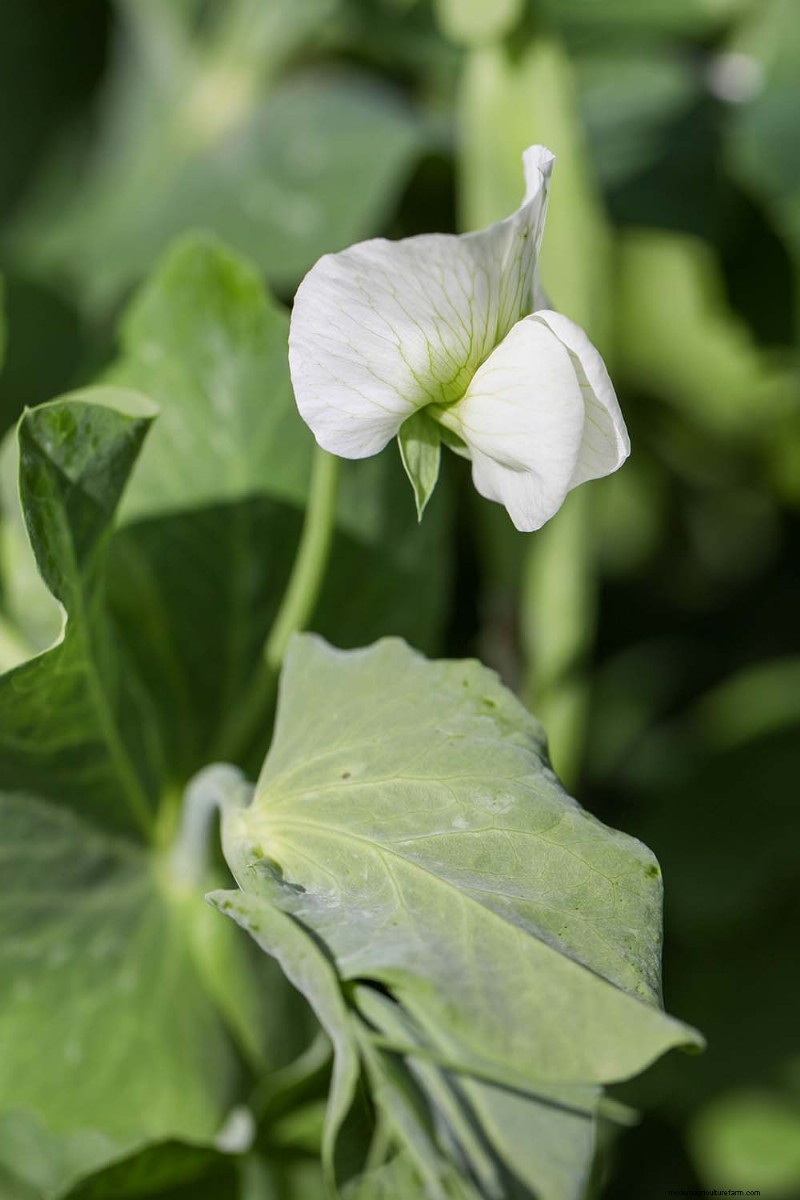 Photo by Kristine Lofgren.
 Toss true pea blossoms into any dish that you’d use peas in, from stir-fries and soups to salads and sandwiches.
Similarly, bean and some other types of legume flowers from the Phaseolus , Lens , Cicer , and Glycine genera have a distinctly beany flavor.
I think Great Northern and lima bean flowers are particularly delicious, and beans produce blooms in a variety of colors from white to pink to red to purple.
Don’t eat ornamental bean or pea flowers like sweet peas (Lathyrus odoratus ) – the blooms as well as the pods and seeds produced by these plants are poisonous.
Mung beans in the Vigna genus should also be avoided.
If peonies (Paeonia spp.) merely looked lovely, they’d still be well worth growing in the garden. But they also happen to be edible and they’re delicious .
Depending on the variety, they may have a sweet, fruity, or slightly spicy flavor.
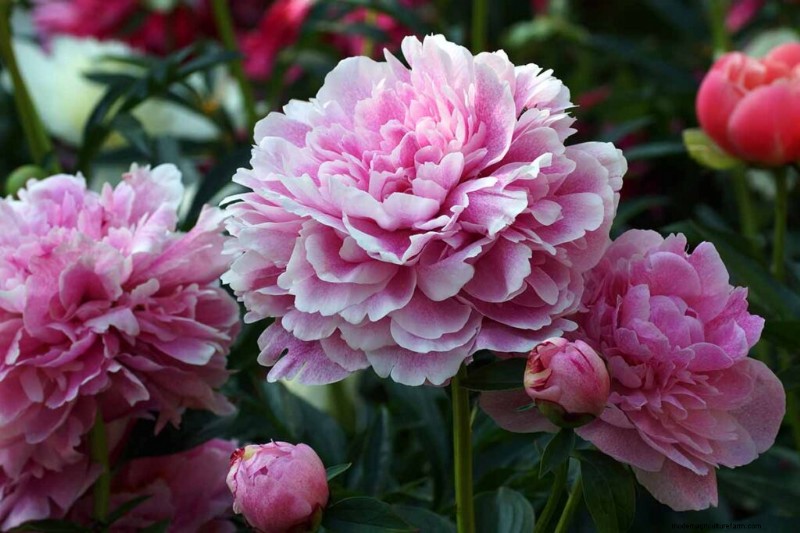
You can cook them, though they’re better blanched rather than thoroughly cooked, and they may also be consumed raw.
Sweeter types are best in desserts and cocktails, while spicier types are fantastic in salads and tossed as a garnish on soups.
Check out our guide to learn how to grow peonies .
Don’t confuse the edible variety here with creeping phlox . Only the tall perennial species also known as garden phlox or fall phlox (Phlox paniculata ) is edible.
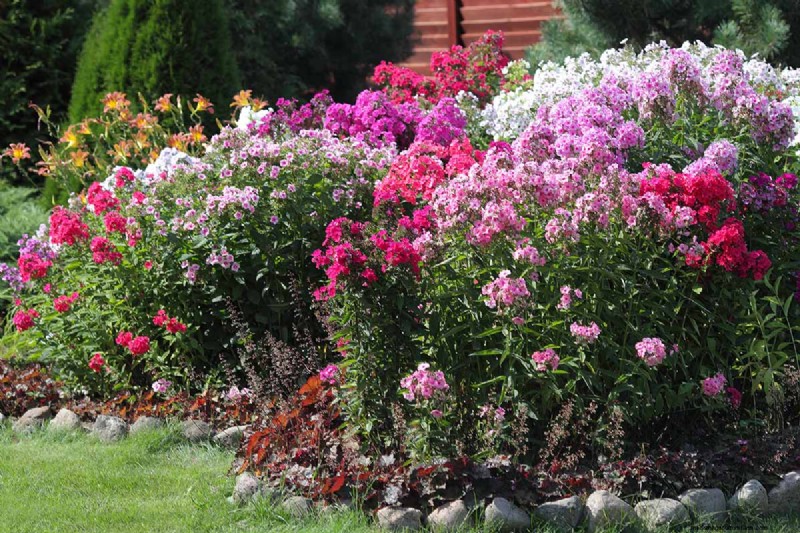
The flowers are sweet with a spicy bite and they are best used fresh in salads or on sandwiches.
Crabapple and apple (Malus spp.) , pear (Pyrus spp.) , peach , cherry , and plum (Prunus spp.) , you name it. They’re all edible and most of their blooms taste great.
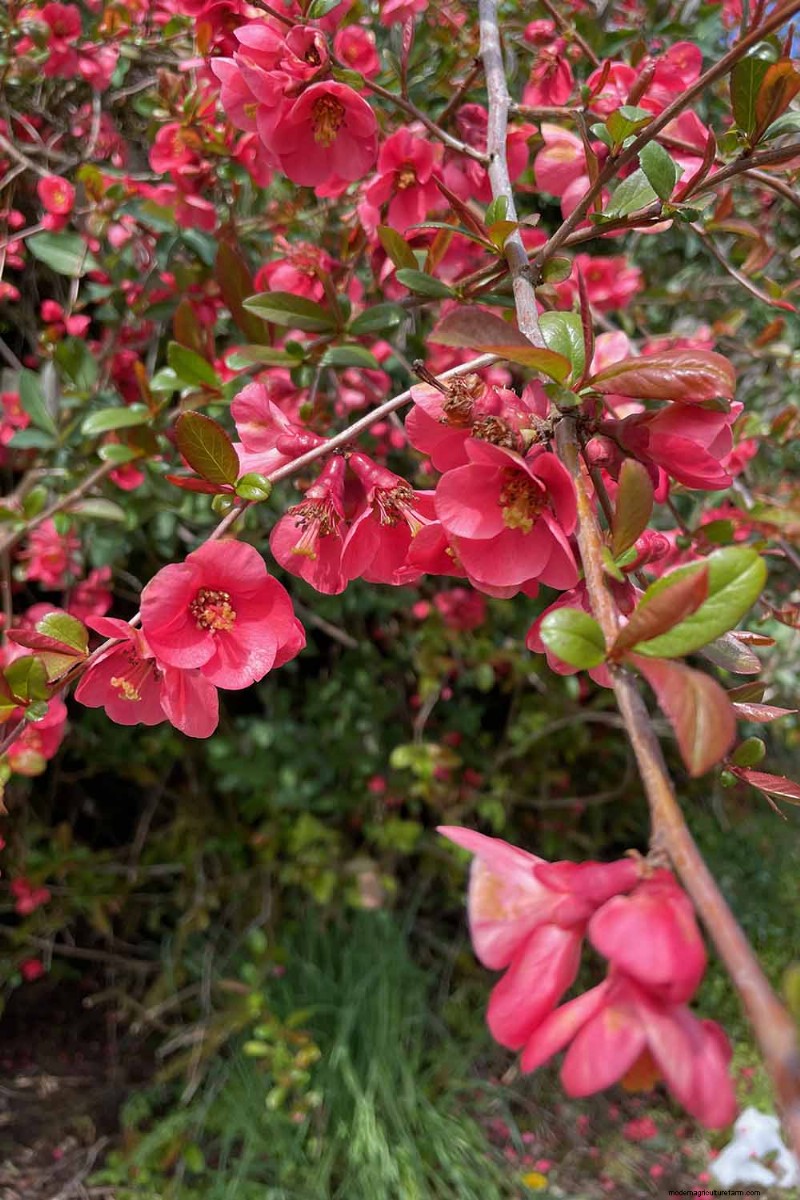 Photo by Kristine Lofgren.
 Apples are the most cherished because they have the sweetest, most floral flavor, reminiscent of honeysuckle.
And quince (Cydonia oblonga ) blossoms taste nothing like the cooked fruits you may have tried. They’re tart and astringent, like the raw fruits, but still delicious.
Reserve flowers from these types of fruit trees and shrubs for sweet dishes such as fruit salads, desserts, and candying.
Make sure to trim away any woody bits, the calyx, and the stamens. You only want to use the petals.
Welcoming the spring with their cheery blossoms, primroses (Primula vulgaris ) are famously fragrant and decorative, but it’s still kind of a secret that they’re also delicious.
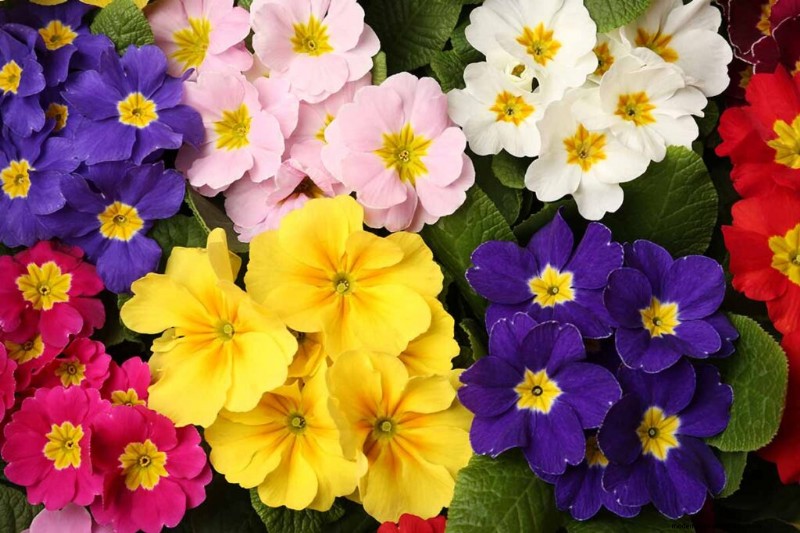
Some have a pleasantly mild flavor, similar to spinach. Others have a touch more bitterness and spice, sort of like arugula .
They can be used either raw or cooked in savory and sweet recipes.
I think their pale yellow coloring makes them ideal as a salad or soup garnish or to top rice dishes. You’ll also see some varieties in white or pink.
The hips are popular in cosmetics or for making tea and who hasn’t enjoyed catching a whiff of a rose-scented perfume, candle, or lotion?
We know roses (Rosa spp.) are pretty and they smell good , but we should really be chowing down on those petals more often. Depending on the type, they’re usually delicious!
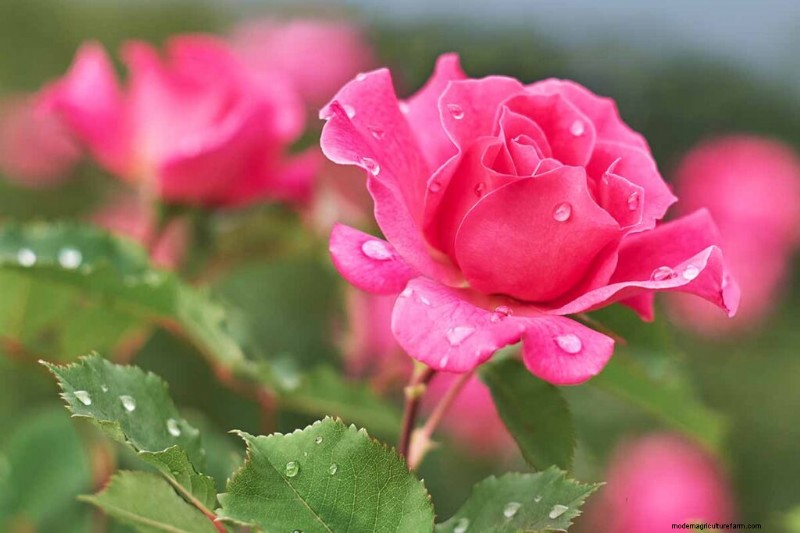
Rose water, rose syrup, and rose tea are pretty well-known options. But you can also make rose vinegar, compound butter, jellies, and jams.
Or toss the petals in cocktails, chicken or fish dishes, lamb curry, sandwiches, custards, cookies, cakes, and pies.
You can even pickle them with or without other veggies, and you can dry them to use like any other herb in your cooking.
Want to try a heavenly treat? Try the rosewater cardamom lassi recipe from our sister site Foodal .
Before you start eating your way through the rose garden, give the rose you’ve set your eyes on a sniff.
If you don’t like the scent, you probably won’t like the flavor – our senses of smell and taste are totally intertwined.
This applies especially to musk-scented roses in particular. Some people just can’t stand them.
The more fragrant the rose, the stronger the flavor will be. Darker ones and older varieties tend to be more flavorful.
With the exception of David Austin roses , newer creations like Knock Outs and Drifts tend to have no flavor at all.
Wash the roses by rinsing them under a gentle stream of cool water or swishing them in a bowl of cool water, and then pull the petals off with your fingers, leaving the calyx behind.
Snip off the white heels and let the petals dry completely on a clean towel before use.
Learn more about growing roses here .
Rosemary (Salvia rosmarinus ) flowers add a spicy, resinous flavor that is slightly more subtle than the leaves to dishes.
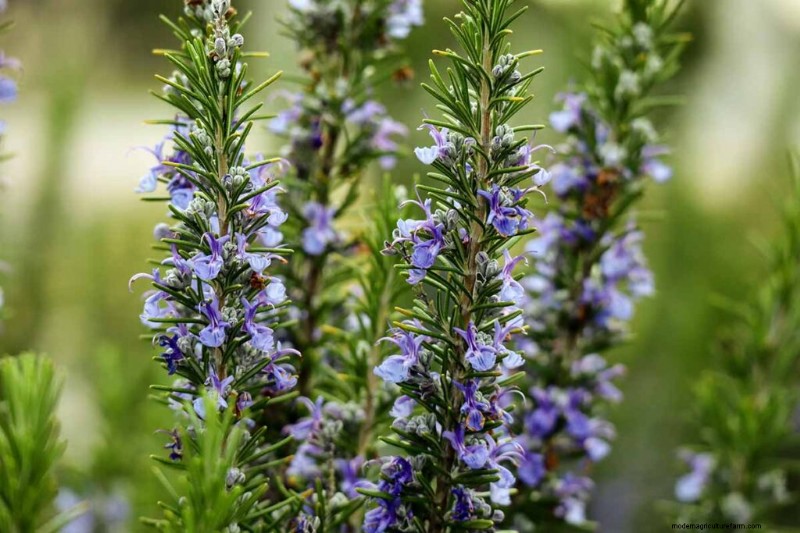
You can candy them for a pungently sweet bite or use them fresh anywhere you’d use rosemary.
In fact, I have friends that don’t like rosemary (I know, I’m not sure how we remain friends), but they love the flowers.
They‘re just mild and different enough that their taste might win some people over.
You can learn how to grow rosemary here .
Yep, this adorable cottage garden favorite (Antirrhinum spp.) is edible.
Snapdragons can be a touch bitter, but don’t let that turn you off. Radicchio is bitter and it’s a gourmet staple!
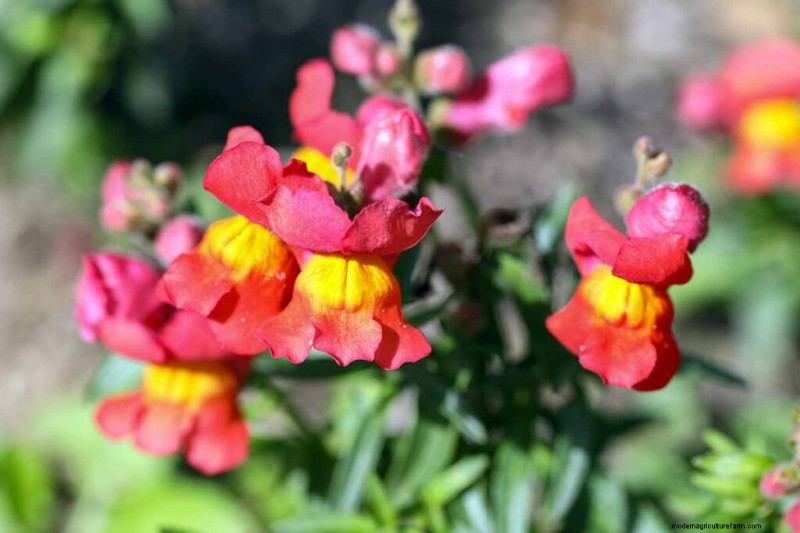 Photo by Kristine Lofgren.
 If you haven’t checked out our guide to snapdragon edibility, read it now .
And you will find cultivation instructions here .
Most of us have had stuffed squash blossoms before, or we’re at least familiar with them already.
You can also batter and fry them, add them to soup, salad, or egg dishes, or even use them to top chicken or pork.
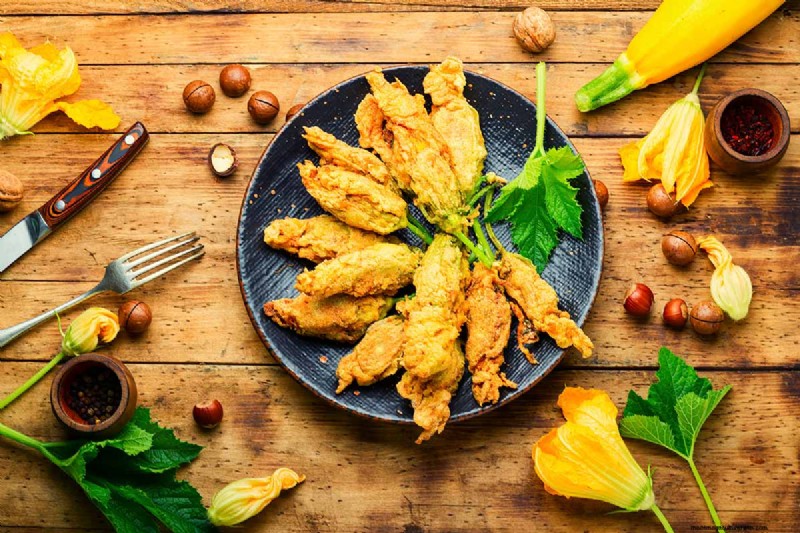
Many gardeners reference squash blossoms specifically, but you can also eat the blooms of other types of Cucurbits like cucumbers and melons, as well.
Zucchini blossoms are a classic choice for a reason, though – they are large and sturdy but not tough, with a mild floral zucchini flavor.
Melon flowers have a slight melon flavor, and winter squash blossoms tend to be a bit nuttier, though they’re still mild.
It’s best to pick male flowers, because the female flowers are the ones that turn into fruits. Males have much shorter parts while the female has longer parts at the center.
The stem behind the male flower is straight and the female stem will be more bulbous, since it’s actually the part that will develop into the fruit after it’s pollinated.
Sure, you know that the seeds are tasty, but annual sunflowers (Helianthus annuus ) are actually edible from root to tip.
You can harvest the petals for eating by plucking them away from the head.
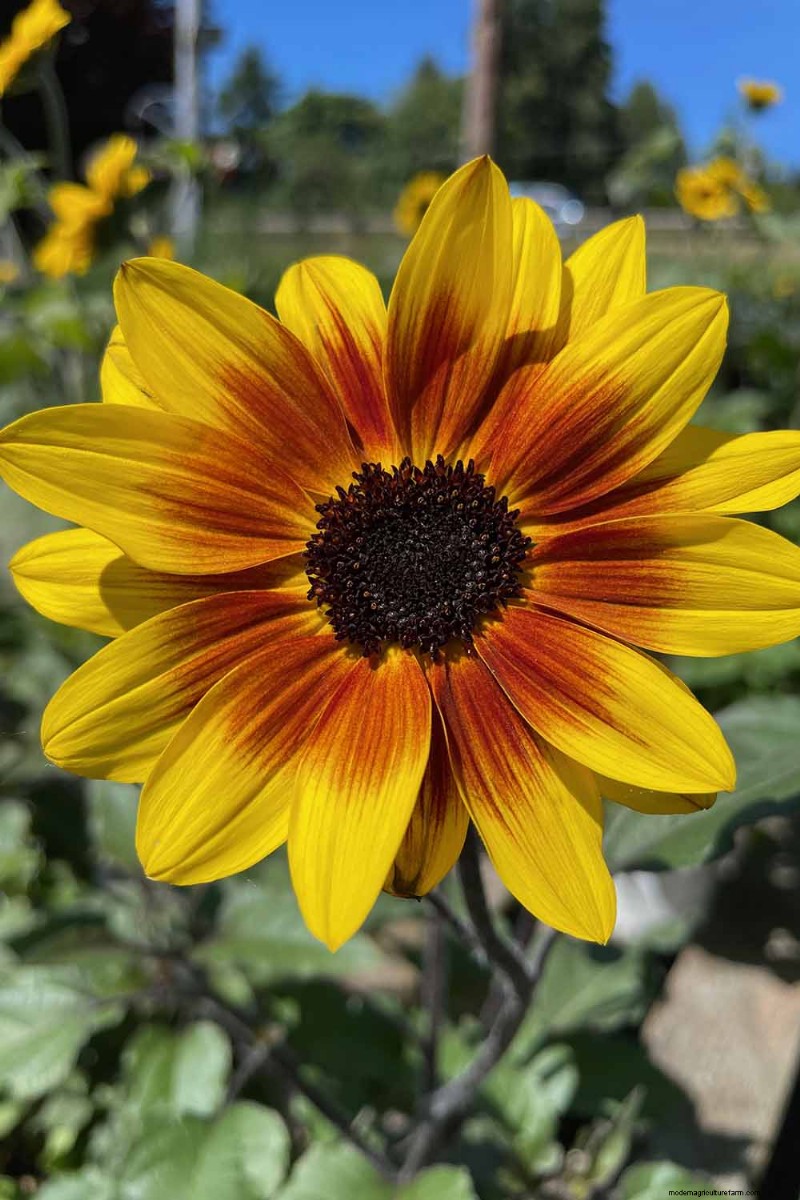 Photo by Kristine Lofgren.
 The flowers have a nutty, floral flavor that fits right into pastas, salads, meat dishes, and soups. Whenever a recipe calls for sunflower oil, I add a few petals, just for fun.
Find out how to grow sunflowers here .
Lobularia maritima , commonly known as sweet alyssum, comes in clusters of white, yellow, pink, or purple four-petalled flowers.
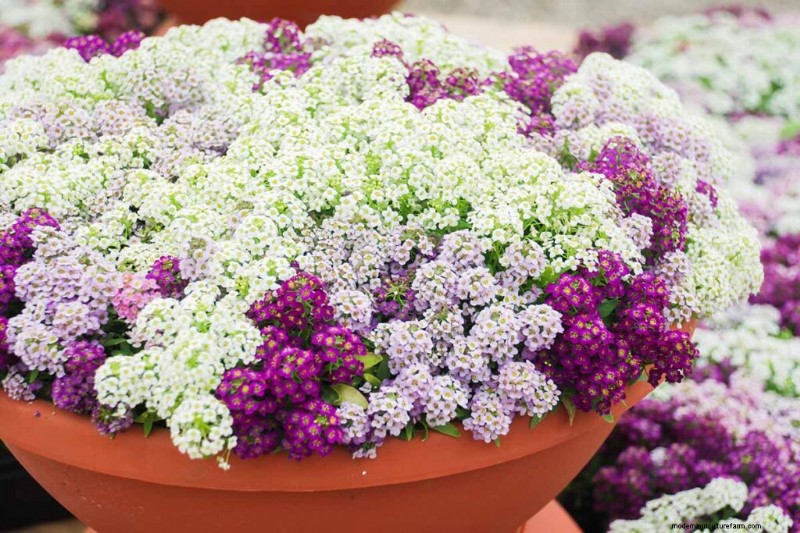
This lovely garden staple is a member of the Brassicaceae family, so it shouldn’t come as a surprise that it’s delicious. It has a sweet, peppery flavor.
In addition to making an excellent garnish, it can be used in soups, salads, and desserts.
This species is not to be confused with mountain alyssum (Alyssum montanum ), which is also technically edible but not tasty.
Learn how to grow sweet alyssum here .
Don’t ask me why you constantly see nasturtiums and violets being sold as edible flowers, but you rarely see sweet williams (Dianthus barbatus ) marketed this way in grocery stores.
Sure, you’re likely to come across bouquets of carnations to add to a vase, and these may be edible if they’re not treated with anything. But shoppers are really missing out!
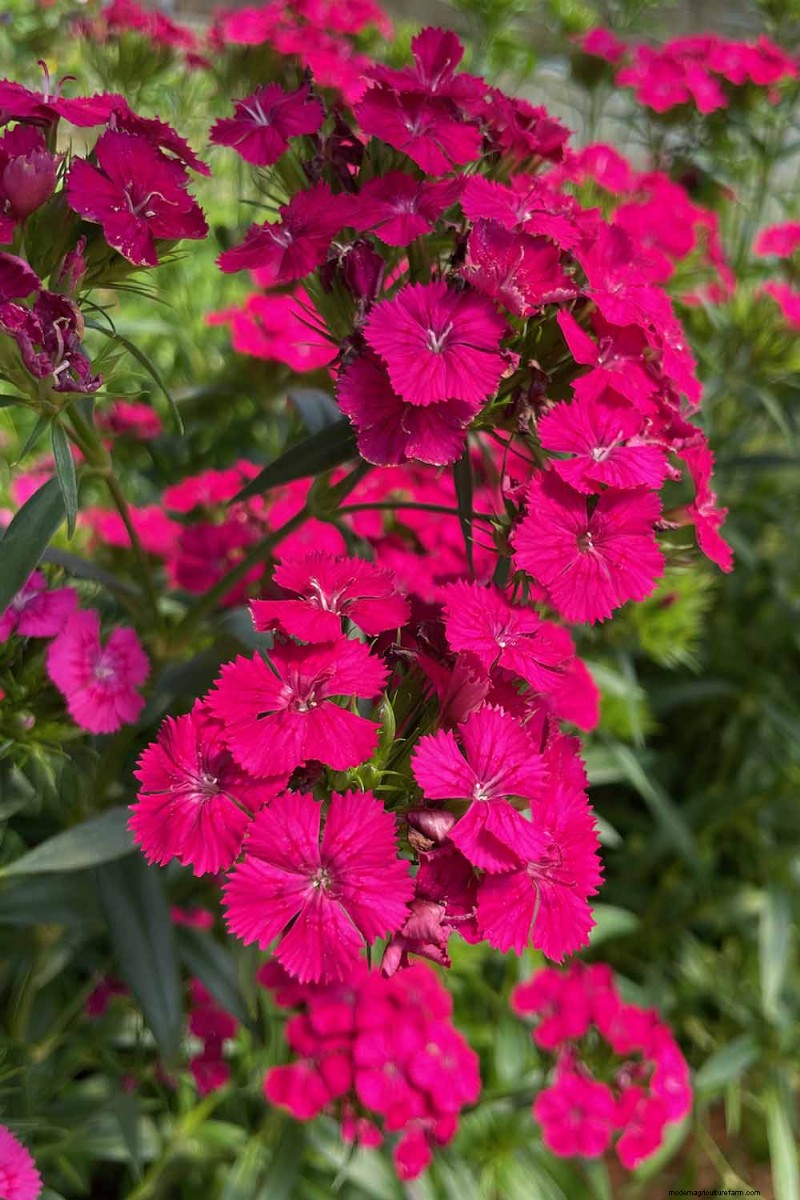 Photo by Kristine Lofgren.
 Flowers from this genus are some of the tastiest out there. Maybe we need to start a campaign.
Sweet williams have a spicy, sweet flavor that works well in sweet and savory dishes of all kinds.
Candy them, toss them in salads, soups, and cocktails, or cover a cheese log with petals and serve it with crackers.
Check out our guide to growing dianthus for more information about these flowers.
Tulips (Tulipa spp.) are underappreciated in the kitchen. Ho capito. They’re so pretty that maybe some gardeners don’t even want to imagine eating them.
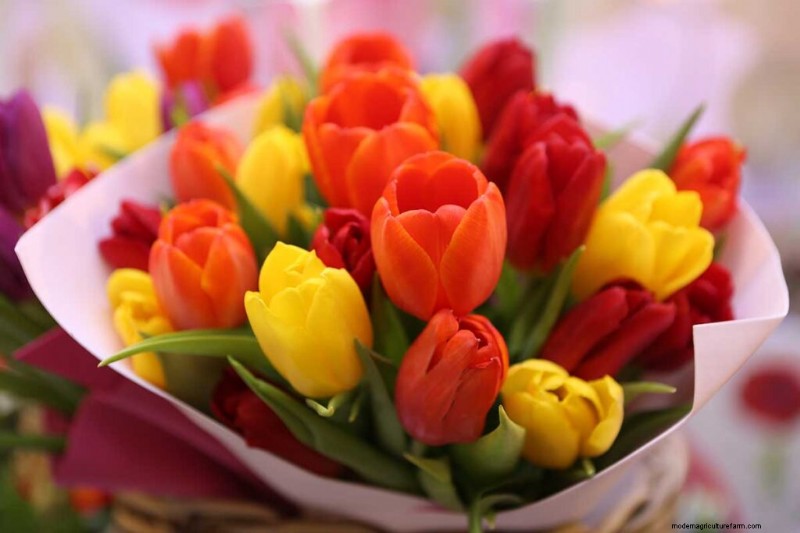
But they have a marvelous flavor that is a mix of asparagus and English peas.
Any culinary creation that could use a hint of those flavors – like egg dishes, salads, veggie dishes, or chicken salad – is fair game.
The petals of some varieties are quite firm, which makes them perfect as a potato chip alternative. Or stuff them as you would endive or lettuce leaves.
Learn how to grow tulips here .
Violets (Viola spp.) are another one of those flowers that appears in every garden but rarely in any kitchen dishes.
Wild violets are tastier but these are generally going to be harder to get your hands on. If you’re up for some foraging and know of a good place to pick, have at it!
Whether cultivated or wild, don’t dry them or sit on them for too long after picking. These close relatives of pansies are best enjoyed fresh.
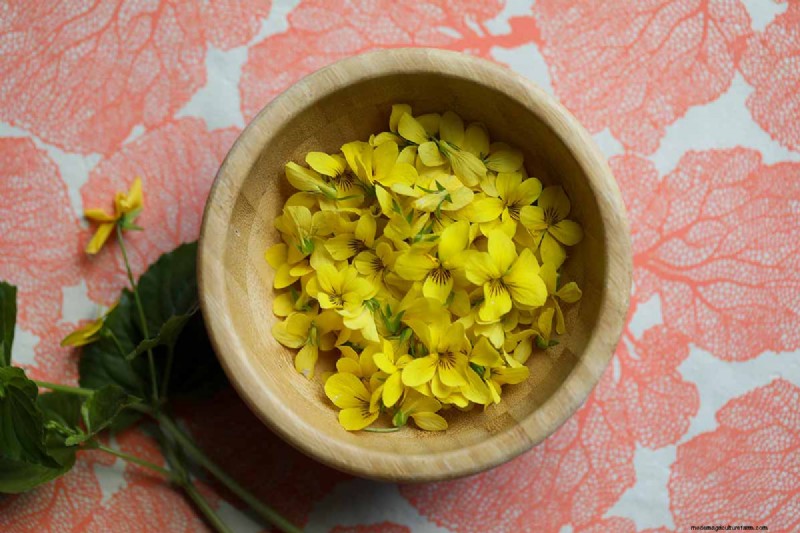 Photo by Kristine Lofgren.
 If you can’t eat them right away, wrap the flowers in damp paper towels or float them in a bowl of cold water.
Some other types of flowers require prep in the form of removing the centers or bases first, but you can pop entire violets in your mouth straight off the plant.
These are a classic option for desserts, especially when they’re candied, with a distinct, perfumey flavor.
You often find them in ice cream, candies, marshmallows, cakes, and cookies. But they’re excellent in savory dishes, as well.
Use them in fish salad, chicken curry, egg dishes, and cheese souffle.
One of my favorite recipes for violets is from “The Forgotten Art of Flower Cookery.”
Author Leona Woodring Smith combines pineapple juice, tapioca, sugar, grated lemon peel, raspberries, oranges, orange liqueur, and fresh violets to make a soup. It’s phenomenal.
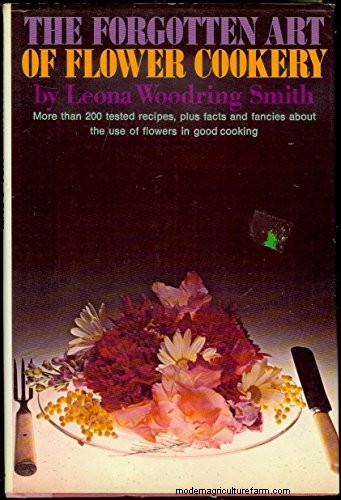
The Forgotten Art of Flower Cookery
While the book is out of print, you can pick up a copy at used bookstores or find it on Amazon . It’s a must-have if you want to expand your flower cookery repertoire.
Learn more about using edible violets in recipes .
I have a soft spot for sweet woodruff (Galium odoratum ) because the shady areas of my dry Utah garden were extremely hard to fill with anything but hostas.
I love a good hosta, but sometimes you need something different.
I dug up a clump of sweet woodruff from my grandma’s yard and put it in my own soil. Within a few years, I had a beautiful green carpet of this wonderful herb.
One person’s (somewhat) invasive ground cover is another’s shady savior, right?
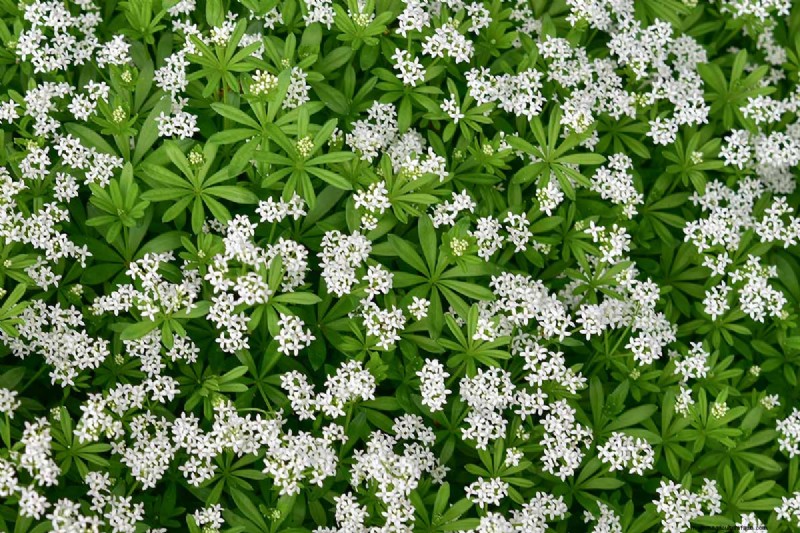
Sweet woodruff has a mild, hay-like flavor, and it can be a touch bitter. May wine is perhaps the most famous use of these flowers in the kitchen.
Years ago, the pleasant-smelling leaves, stems, and flowers were used as a mattress stuffing, which earned this plant the nickname sweet-scented bedstraw.
You can use the flowers to infuse tea or honey, sprinkle them on salads or sandwiches, or use them as a garnish.
Head to Foodal to learn more about using this plant in the kitchen and in your herbal medicine cabinet.
Whether you’re growing it intentionally or it’s naturalized on the roadside, yarrow blossoms (Achillea millefolium ) are well worth having around.
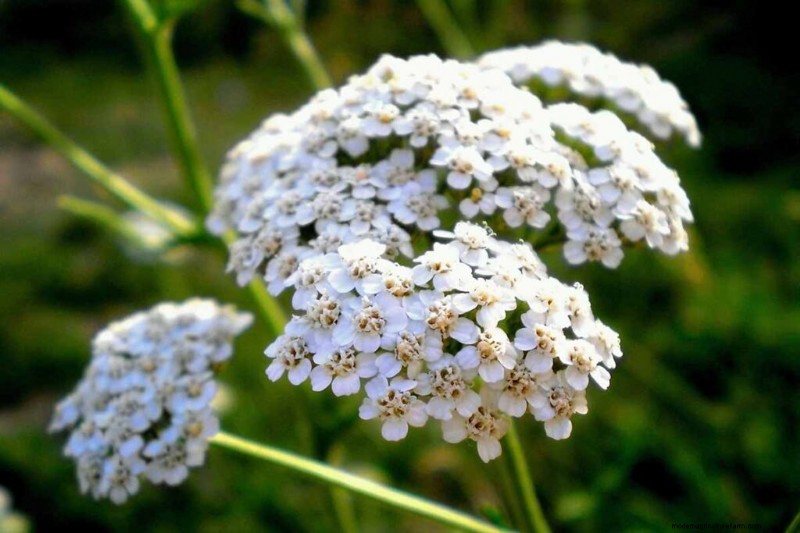
The flowers can be yellow, pink, or white in flat clusters that grow on stalks that can grow to be up to four feet tall.
The flavor is spicy and herbal, with notes of oregano combined with honeyed sweetness. Young blossoms are best as they turn bitter with age. And cooking amplifies the bitterness.
You can use dried yarrow flowers in tea and cocktails, or enjoy them fresh in pasta and rice dishes.
Some other Achillea species are edible, but stick with common yarrow. It has the best flavor.
Most people in the US haven’t yet caught on to how fantastic yucca flowers are as edibles, but Native Americans and Mexicans make good use of Yucca bachata , and the blooms of all species in the genus are edible.
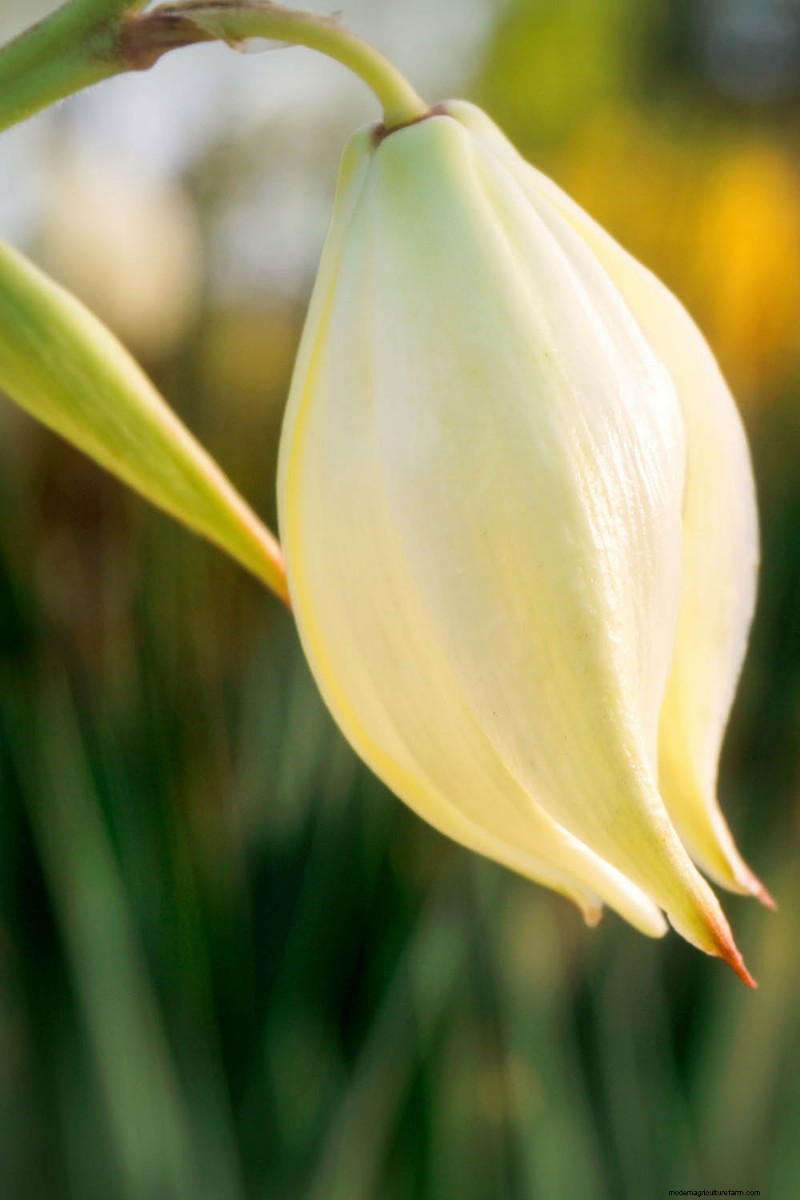
In Mexico, flor de izote (aka yucca flower) is used in steak, egg, and chicken dishes, whereas in El Salvador, it’s most popular in egg dishes, aka flor de izote con huevos.
The flowers are mildly sweet with an asparagus-like flavor. However, all other parts of the plant except the fruits of certain species are toxic, so use caution.
Our guide provides cultivation instructions .
A South American native, Zinnia elegans or the common zinnia has bright orange, yellow, red, or magenta flowers with rows and rows of petals.
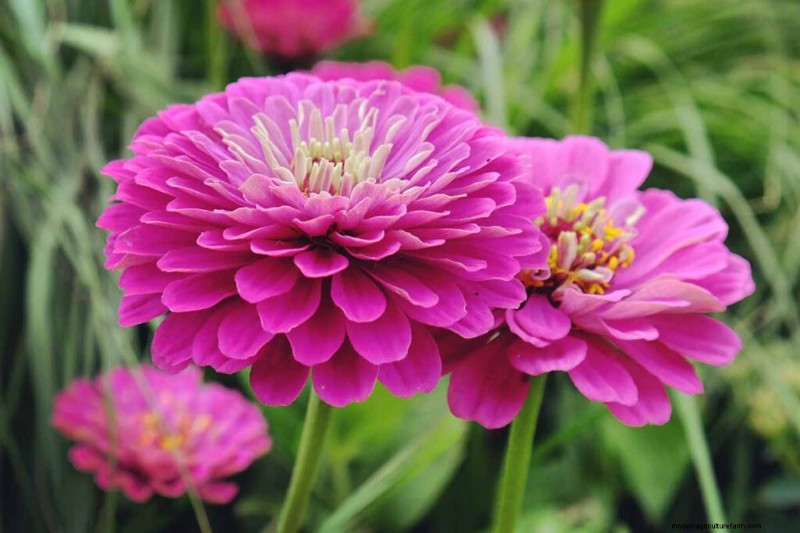
The flavor is slightly bitter, so use the petals sparingly or candy them to mask the bitterness.
Learn more about zinnias and how to grow them here .
Most of us wish we had more space and time, which is why growing plants that can do double-duty in some way is so appealing.
But even if you aren’t growing any of these species already and you’re simply looking for a way to expand your cooking horizons, foraging for many of these is also possible.
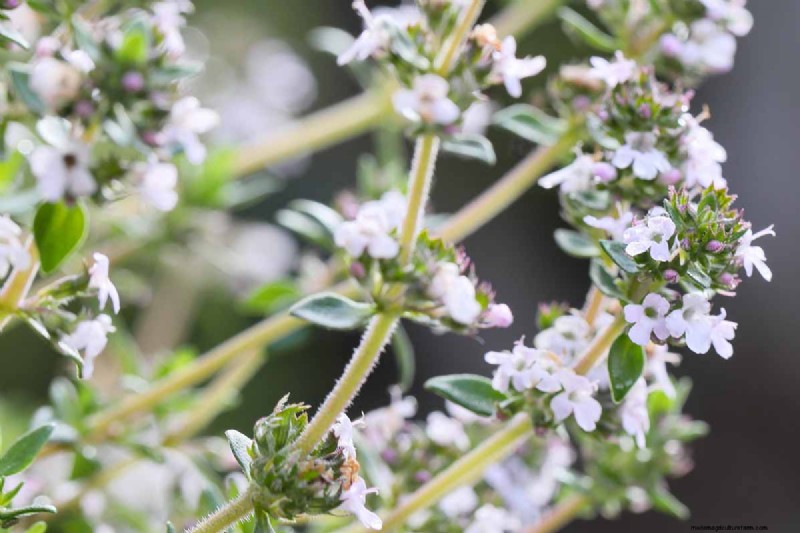 Photo by Kristine Lofgren.
 Edible flowers are a feast for the eyes and the mouth. There’s something special about tucking into a dish of flowers that brings to mind lazy summer afternoons, or the optimism of spring.
But the species listed above aren’t just good as garnishes. Most are supremely flavorful in their own right, with many of them just waiting to be rediscovered as a worthy ingredient.
So tell us:what types of flowers are you going to dine on? Did we miss any that you particularly love? How do you use your edible flowers? Let us know in the comments.
And if you’re looking for more information about growing flowers in your garden , check out these guides next:

Le migliori piante al Chatsworth Flower Show

I polli mangiano gli insetti? Vantaggi e cosa consumano

Legislazione introdotta per stimolare la scoperta dei prezzi nel mercato del bestiame

Il viaggio di un chicco di caffè:dalla coltivazione alla terra

Suggerimenti per l'impollinazione manuale delle melanzane


